Skin Treatments in Siliguri
Skin treatment means different things for different skin concerns. The right approach depends on several things at once: the concern and how severe it is, your skin type and sensitivity, whether there is active acne or inflammation, how pigmentation is patterned, whether texture or age-related change is involved, what you have tried before and what you realistically hope for.
Two people who both say "pigmentation" may need very different plans. A good plan may involve one treatment or a combination over time, and it should never include more than your skin needs.
Skin tone matters too. Some treatments carry a higher chance of pigmentation changes in darker or more sensitive skin, so the same procedure can call for different settings, spacing or a different choice altogether. Previous treatments and your current products also change what is sensible, which is why the same concern rarely gets the same plan twice.
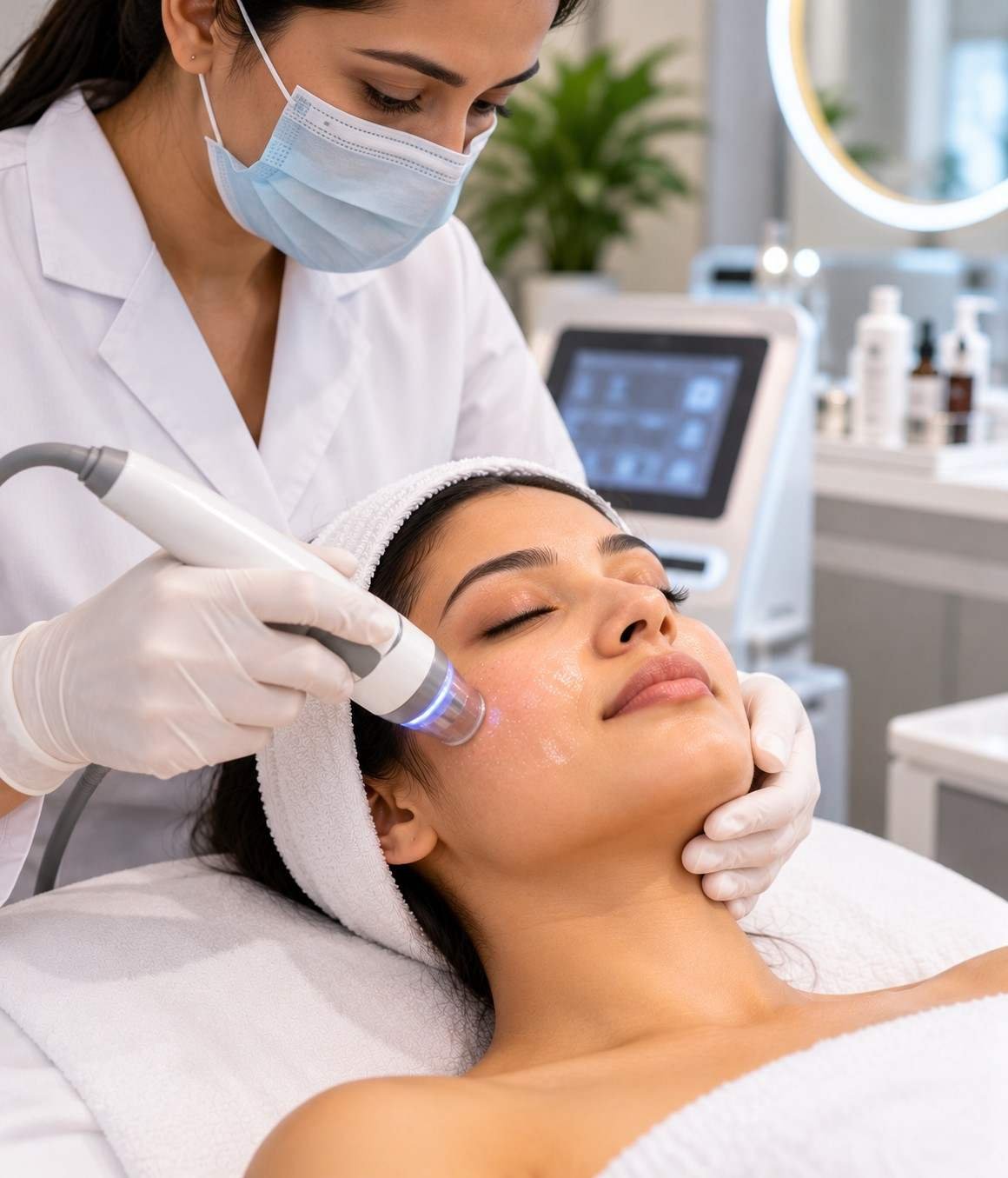
What Skin Concern Are You Trying to Improve?
Start with what bothers you most. Each concern below points to the treatment families usually discussed during a consultation.
Pigmentation and Uneven Skin Tone
Sun exposure, earlier acne, hormonal change and irritation can all leave uneven colour. The first job is working out which it is, because the cause shapes the options. For selected pigmentation concerns, laser skin resurfacing and targeted treatments may be discussed.
Acne and Acne-Prone Skin
Active acne, post-acne marks and acne-related roughness are different problems. Assessment decides what is going on and what is appropriate. At suitable stages, chemical peels and medical facials may be considered. Persistent or severe acne deserves a doctor's attention.
Acne Scars and Uneven Texture
Scar type matters, because depressed scars, rough texture and flat discolouration are managed differently. Microneedling and laser skin resurfacing are among the options discussed for selected scars.
Dull or Dehydrated Skin
Skin that looks flat, tired or tight often has a surface-quality issue: build-up, dehydration or both. Depending on your skin, HydraFacial or chemical peels and medical facials may be considered.
Fine Lines and Early Skin Ageing
Early lines, less bounce and mild laxity involve skin quality, collagen and sometimes muscle movement. Depending on the concern, anti-ageing treatments, RF skin tightening, microneedling or, for movement lines, Botox may come up.
Skin Treatments Available at Symmetrica
Each of these answers a different question. They are not interchangeable facials, and most people will only need one or two of them. If you are unsure where you fit, the concern sections above are a good guide, and the consultation settles it.
HydraFacial
Cleansing, exfoliation and hydration-focused care for selected concerns.
Chemical Peels & Medical Facials
For selected concerns involving texture, tone, acne and overall rejuvenation.
Microneedling
For selected texture, acne scar and collagen-stimulation goals.
Laser Skin Resurfacing, Pigmentation & Acne Scars
For selected pigmentation, resurfacing and scar-related concerns.
RF Skin Tightening
For selected skin laxity and tightening concerns.
Botox
For selected dynamic expression lines.
Dermal Fillers
For selected volume and contour concerns.
Skin Pigmentation Treatment in Siliguri
Pigmentation can look alike and have different causes: sun-related darkening, uneven tone, post-inflammatory marks left by acne or irritation, and other patterns. Working out the pattern and cause comes first, because it affects both what is likely to help and what could make things worse.
Depending on the findings, laser skin resurfacing, chemical peels or other skin treatments may be discussed. Pigmentation can improve gradually, but it can also return, especially with sun exposure. No treatment can promise complete or permanent removal.
Acne Treatment in Siliguri
Acne is not a single condition. It can appear as blackheads, inflamed spots, deeper lumps or a mix, and its causes vary. Treatment depends on type and severity, and active acne is a different problem from the marks and scars it leaves behind. Flat post-acne marks are different again from depressed or raised scars.
A skin assessment helps decide where you fit. Some people need medical management first, while others are ready to discuss aesthetic treatments for marks and texture. This page does not suggest medicines.
Acne Scar Treatment in Siliguri
Acne scars vary. Depressed scars, uneven texture and leftover discolouration each respond differently, and the choice depends on scar characteristics, skin type and whether acne is still active. Collagen-focused microneedling and laser skin resurfacing are often discussed, sometimes together. Improvement is usually gradual and partial, and scars cannot be promised to disappear.
Improving Uneven Skin Texture
Rough texture, enlarged-looking pores, post-acne roughness and dullness have different roots. Depending on the cause, treatment may involve exfoliation, resurfacing or collagen-focused approaches. Not every treatment suits every skin type, and sensitive or darker skin needs particular care in planning.
Skin Rejuvenation & Early Signs of Ageing
When people ask for rejuvenation, they usually mean a mix of hydration, smoother texture, even tone, brightness, softer fine lines and better overall skin quality. It is a direction, not a single procedure.
Skin Rejuvenation Goals
Which treatments fit depends on which elements matter most to you. Results develop gradually, and no treatment can promise younger-looking skin.
Early Signs of Ageing
Ageing shows up in several ways at once: fine lines, thinner skin, uneven tone, reduced elasticity, and volume changes. Each needs different clinical tools.
Targeted Modalities
Movement-related lines may point to Botox, lost volume to dermal fillers, and mild laxity to RF skin tightening within a broader anti-ageing strategy.
Is a Skin Treatment the Same as a Regular Facial?
Not necessarily, and there is nothing wrong with a regular facial. A cosmetic facial usually aims at cleansing, relaxation and a fresher look. A medical-aesthetic skin treatment starts from a concern-specific assessment, picks a treatment for that concern, takes active skin conditions and suitability into account, and is planned by a clinician. Neither is better. They do different jobs.
| Category | Regular Cosmetic Facial | Medical-Aesthetic Skin Treatment |
|---|---|---|
| Primary Focus | Surface cleansing, relaxation, temporary freshness | Concern-specific assessment and targeted correction |
| Planning & Execution | Standard beauty salon protocol | Clinician-planned based on skin suitability & condition |
| Active Skin Factors | General skin care | Takes active acne, inflammation, & pigment risk into account |
When Can Different Skin Treatments Be Combined?
Sometimes, but not automatically. A planned combination can make sense—for example, HydraFacial alongside selected treatments, microneedling with appropriate skincare, or laser alongside other skin-management measures. Order and spacing matter, and they depend on your skin and concern. We would not prescribe a fixed combination in advance, and doing more is not always better.
How Long Does It Take to Improve a Skin Concern?
It varies. The concern and its severity, the treatment chosen, how your skin responds, the number of sessions, how consistently you follow the plan, and your home care and sun protection all matter. Many concerns improve gradually over a series of sessions rather than all at once, and some need maintenance. Be wary of any promise of results within a fixed number of days.
What you do between sessions counts as well. Daily sun protection, a simple routine suited to your skin and avoiding picking at spots or peeling skin can make the difference between steady progress and setbacks. Your doctor can tell you what to use and what to avoid.
Your Skin Consultation at Symmetrica
Expect a conversation before any treatment. What is bothering you most? What have you already tried? How long has the concern been there? What does your skin usually react to? What result are you hoping for?
Personalised Direction
Your answers shape whether the concern is mainly acne, pigmentation, texture or ageing, which treatment families are relevant, whether anything should be treated first or left for later, and what is realistic. If skin treatment is not the right answer, you will hear that too. Bringing names or photos of current products helps.
Skin Treatment Risks & Considerations
Cosmetic skin treatments are planned to be manageable, but none is risk free. Depending on the treatment, temporary redness, sensitivity, irritation, dryness or peeling can occur. Less commonly, pigmentation can change or acne flare. Patient selection, assessment, and proper aftercare matter.
When to Seek Medical Assessment
Some concerns need a doctor's evaluation before cosmetic treatment: sudden skin changes, persistent or worsening pigmentation, severe or recurrent acne, changing moles or lesions, and anything failing to improve with basic care. It is a reason to evaluate promptly, not worry.
Skin Treatment Cost in Siliguri
Cost varies with treatment type, area, severity, session count, combined modalities, and your specific plan. Because of this, pricing cannot be fixed in advance. A consultation provides a clear understanding of appropriate options and overall treatment investment.
Start with an Honest Skin Assessment
Book a consultation at Symmetrica in Siliguri to understand which treatment is appropriate and what your overall treatment plan may involve.
Frequently Asked Questions
Can I have skin treatment if my skin is sensitive?
Often yes, but treatment must be chosen carefully. Tell the doctor which products and treatments irritate your skin. Gentler options or a gradual approach may be suggested, and some treatments may be unsuitable.
Can pigmentation come back after treatment?
It can. Sun exposure, hormonal changes and skin irritation can trigger pigmentation again. Daily sun protection and the home-care plan your doctor suggests help, and some people need maintenance.
Will my acne get worse during treatment?
In selected circumstances, acne can flare temporarily after some treatments or when starting new products. That is one reason assessment comes first. Tell the clinic if you notice a flare so it can be managed.
How careful do I need to be about the sun after treatment?
Very. Treated skin can be more sensitive to sun, and sun exposure can undo progress or trigger pigmentation. Your doctor will give specific advice, which will generally include sun protection.
How many sessions will I need?
It depends on the concern, severity, treatment and your skin's response. Some treatments are done as a series, others once with maintenance later. The doctor can give a realistic estimate after assessment and adjust it as you progress.
Is there downtime?
It depends on the treatment. Some leave only mild, short-lived redness, while others can involve peeling or a longer recovery. Ask about downtime before booking, especially if you have an event or work commitments.
Are skin treatments suitable for all skin types?
Not every treatment suits every skin type or tone. Darker skin, sensitive skin and active skin conditions need particular planning, which is why treatment is chosen after assessment.
Do I still need a skincare routine at home?
Usually yes. Home care and sun protection often decide how well professional treatment works and how long results last. The doctor can advise on what suits your skin.
Does the season affect skin treatment?
It can. Strong sun can affect pigmentation and how treated skin reacts, so timing may matter for some treatments. Ask the doctor about timing for your concern.
What should I bring to a skin consultation?
The names or photos of products you use, details of earlier treatments, any medicines you take and a clear idea of what bothers you most. If you can, come without heavy makeup so the doctor can see your skin.
How do I book a skin consultation?
Call Symmetrica on +91 93398 30705 or use the contact page. Tell us what you would like to discuss and we will help you arrange a time at the clinic on Sevoke Road.