
About Us
Contrary to popular belief, Lorem Ipsum is not simply random text. It has roots in a piece of classical Latin literature from 45 BC, making it over 2000 years old.
Contrary to popular belief, Lorem Ipsum is not simply random text. It has roots in a piece of classical Latin literature from 45 BC, making it over 2000 years old.
Breast surgery is plastic surgery that changes the size, shape or position of the breasts. The main procedures are augmentation, which adds volume; reduction, which removes excess tissue; and breast lift, which raises sagging breasts and reshapes them.
Breasts naturally differ in size, shape, position and symmetry, and they evolve across a lifetime with pregnancy, breastfeeding, weight change, ageing and hormonal shifts. People seek surgery to add fullness, ease the weight of large breasts, raise breasts that have lost firmness, or balance differences between sides.
Which procedure fits depends on your goals, anatomy, medical history and skin quality. A clinical assessment helps determine which option, if any, is appropriate for your individual needs.
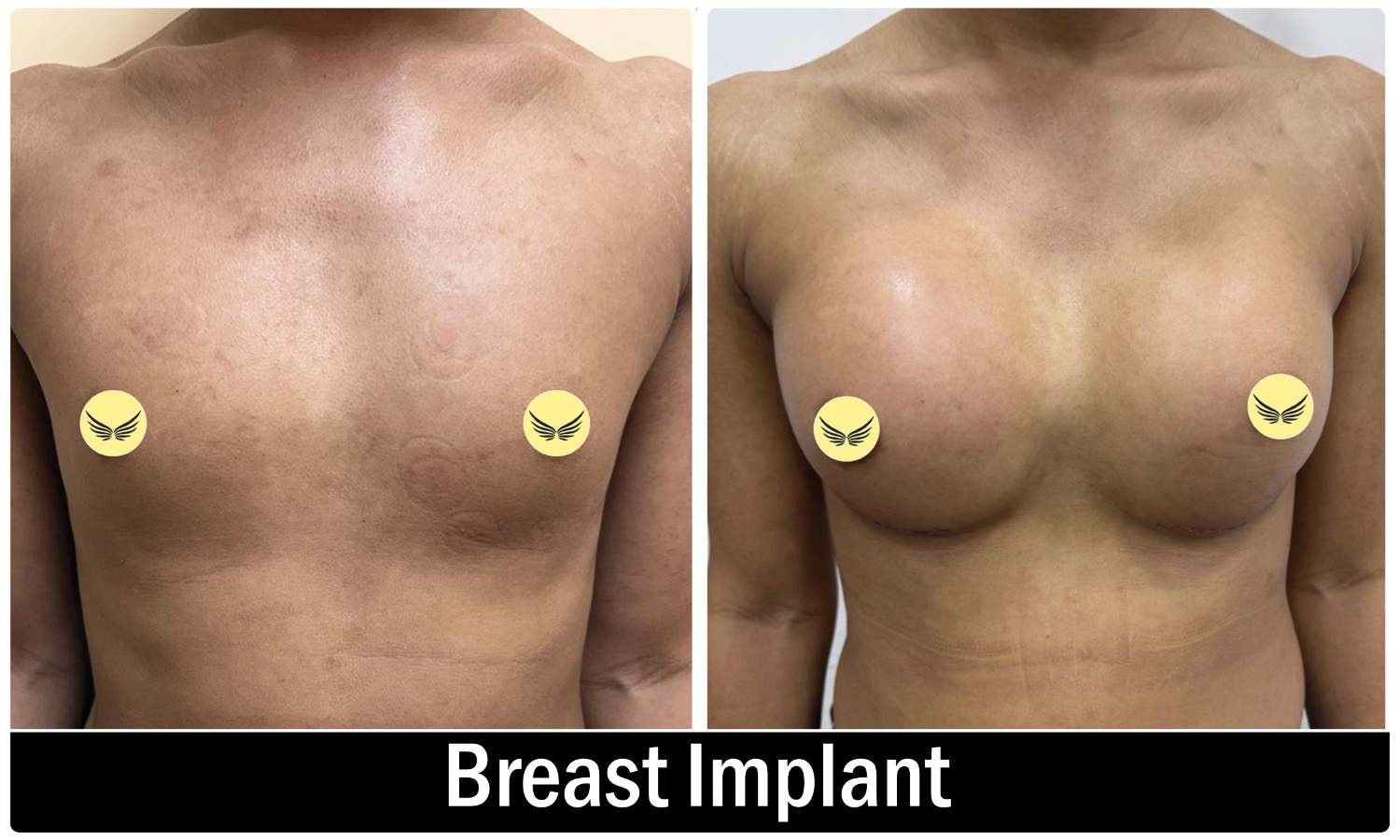
Three primary procedures cover most cosmetic and reconstructive breast concerns. Understanding the distinct purpose of each helps prepare your questions for consultation.
Adds volume or improves proportion, usually with breast implants. Patients often consult because of small or reduced breast volume, loss of fullness after pregnancy, or asymmetry between sides.
Removes excess tissue, fat and skin to reduce size and overall weight. Patients frequently consult due to neck, shoulder and back discomfort, heaviness, or proportion issues.
Raises sagging breasts and repositions the nipple to a higher contour with little change in overall volume. Patients often consult following pregnancy, weight loss or natural ageing.
* Note: Male breast enlargement is a distinct medical condition, detailed under our Gynecomastia Surgery section.
Each procedure addresses specific anatomical concerns. Planning focuses on achieving natural proportions while respecting your body structure and safety.
Augmentation uses high-quality implants placed through small incisions behind breast tissue or under the chest muscle. It restores volume lost post-pregnancy, balances natural differences, and enhances body proportions. Planning aligns implant profile with your tissue frame for a natural outcome.
Reduction removes excess tissue, fat and skin to alleviate physical strain like back, neck and shoulder pain or skin irritation. It repositions the nipple higher for a lighter, lifted shape. Surgical trade-offs, including scar placement and breastfeeding considerations, are thoroughly discussed.
A lift corrects tissue sagging (ptosis) by removing excess skin, tightening internal tissue and raising the nipple. It reshapes without altering size significantly. For patients desiring both higher position and added volume, a lift can be combined with augmentation.
Significant differences in volume, shape or nipple position between sides can be corrected using tailored combinations of augmentation, reduction or lifting. While surgery greatly improves overall balance, complete identical symmetry is naturally rare.
| Procedure | Main Goal | Common Reason for Consultation | Volume Change | General Considerations |
|---|---|---|---|---|
| Augmentation | Increase volume; improve proportion | Small/reduced volume; asymmetry between sides | Increases | Implant size and placement; future maintenance may be required |
| Reduction | Reduce size and weight | Physical discomfort, heaviness, posture issues | Decreases | Incision scars; considerations for sensation and breastfeeding |
| Lift (Mastopexy) | Raise and reshape sagging tissue | Loose skin, low nipple position, ptosis | Little Change | Incision scars; can be combined with implants where suitable |
Bring your questions to an individual consultation at Symmetrica in Siliguri. It is a detailed assessment to guide your choices without any surgical commitment.
Planning is a measured exercise, not a guess. Your surgeon evaluates your body proportions, tissue distribution, skin elasticity, and personal aims to create a precise surgical approach.
You describe what you would like to change and why. This discussion establishes your expectations and priorities.
Previous surgeries, family medical background, current medications, past pregnancies, and breastfeeding history are thoroughly reviewed.
The surgeon evaluates breast structure, skin elasticity, chest wall dimensions, and overall physical proportions.
Suitable surgical techniques are presented and explained, alongside non-surgical alternatives and the option of not operating.
You receive clear details on expected healing timelines, surgical trade-offs, potential risks, and procedural limitations.
If surgery is appropriate, a personalized surgical plan is outlined. You are given time to decide on your own schedule without pressure.
Consultations are confidential and conducted one-to-one directly with your plastic surgeon.
Recovery experiences vary depending on whether you undergo augmentation, reduction, or a lift. Below are general operational stages and care guidelines.
Swelling, bruising, tightness, and localized soreness are normal. Pain management and comfort are maintained through prescribed medication routines.
A specialized surgical support bra or garment is typically worn for several weeks to stabilize tissues, minimize movement, and control swelling.
Scheduled review visits allow your surgeon to inspect surgical dressings, monitor wound healing, check incisions, and manage your recovery timeline.
Heavy lifting, strenuous physical exercise, and repetitive arm-raising above shoulder level should be avoided for several weeks following surgery.
Most patients resume desk-based work within one to two weeks. Recovery can take longer following complex reduction or lift operations.
Swelling gradually eases over weeks to months. The breasts take time to soften, adjust position, and settle into their final natural shape.
Surgical suitability depends on a comprehensive clinical examination. Procedure suitability may be affected by:
All breast operations require incisions and leave permanent scars. Placement depends on the procedure: small fold or periareolar incisions for augmentations, and longer pattern scars for lifts and reductions. Scars fade over months but do not completely vanish.
Risks include bleeding, infection, wound healing delays (higher in smokers), noticeable scarring, minor asymmetry, nipple sensation changes, implant complications (capsular contracture or displacement), or the possibility of future revision.
Results vary by individual. Early swelling masks the final outcome, and full healing takes time. Breasts continue to age naturally over time, and future weight fluctuations or pregnancies will alter long-term results. Establishing realistic goals prior to surgery is essential.
Procedural selection follows specific clinical aims: Augmentation increases volume; Reduction removes excess tissue to lighten size; Lift repositions tissue and addresses ptosis (sagging). The appropriate pathway is decided during physical consultation based on anatomy and goals.
Consult directly with the operating plastic surgeon who personally plans your care.
Customized procedural planning suited specifically to your tissue structure and body frame.
Formal M.Ch qualifications grounded in aesthetic and reconstructive surgical principles.
Honest discussion of scar patterns, surgical limits, risks, and non-surgical alternatives.
Comprehensive post-operative checkups to ensure safe healing and long-term monitoring.
Convenient clinic access on Sevoke Road for patients in Siliguri and North Bengal.
Symmetrica is based in Siliguri, West Bengal, and welcomes patients traveling for specialized breast surgery from across North Bengal. Patients visit from nearby regions including Matigara and Bagdogra, as well as Jalpaiguri, Darjeeling, Kalimpong, and Kurseong. If traveling from outside Siliguri, inform our reception team when booking so your consultation, surgery, and follow-up visits can be coordinated efficiently around your travel plans.
It is plastic surgery designed to alter the size, shape, symmetry, or position of the breasts, including procedure options like augmentation, reduction, and breast lifting.
Augmentation increases breast volume and enhances shape, usually using silicone implants placed through surgical incisions. Implant choice and placement depend on your anatomy and goals.
Reduction removes excess glandular tissue, fat, and skin to make breasts smaller, lighter, and firmer, often relieving physical discomfort in the neck, shoulders, and back.
A breast lift (mastopexy) raises sagging tissue and repositions the nipple-areolar complex higher on the chest wall by trimming loose skin and tightening internal tissues.
Augmentation primary adds fullness and volume. A lift repositions sagging tissue without changing volume significantly. They address different anatomical concerns and can be combined if needed.
No, a lift alters position and firmness rather than adding volume. If you desire both higher positioning and increased fullness, a combination lift with augmentation may be evaluated.
Women experiencing physical strain, shoulder grooving, skin irritation, or body proportion concerns due to heavy breasts may consult. Suitability is confirmed during clinical evaluation.