Pigmentation, Acne Marks and Acne Scars Are Not the Same
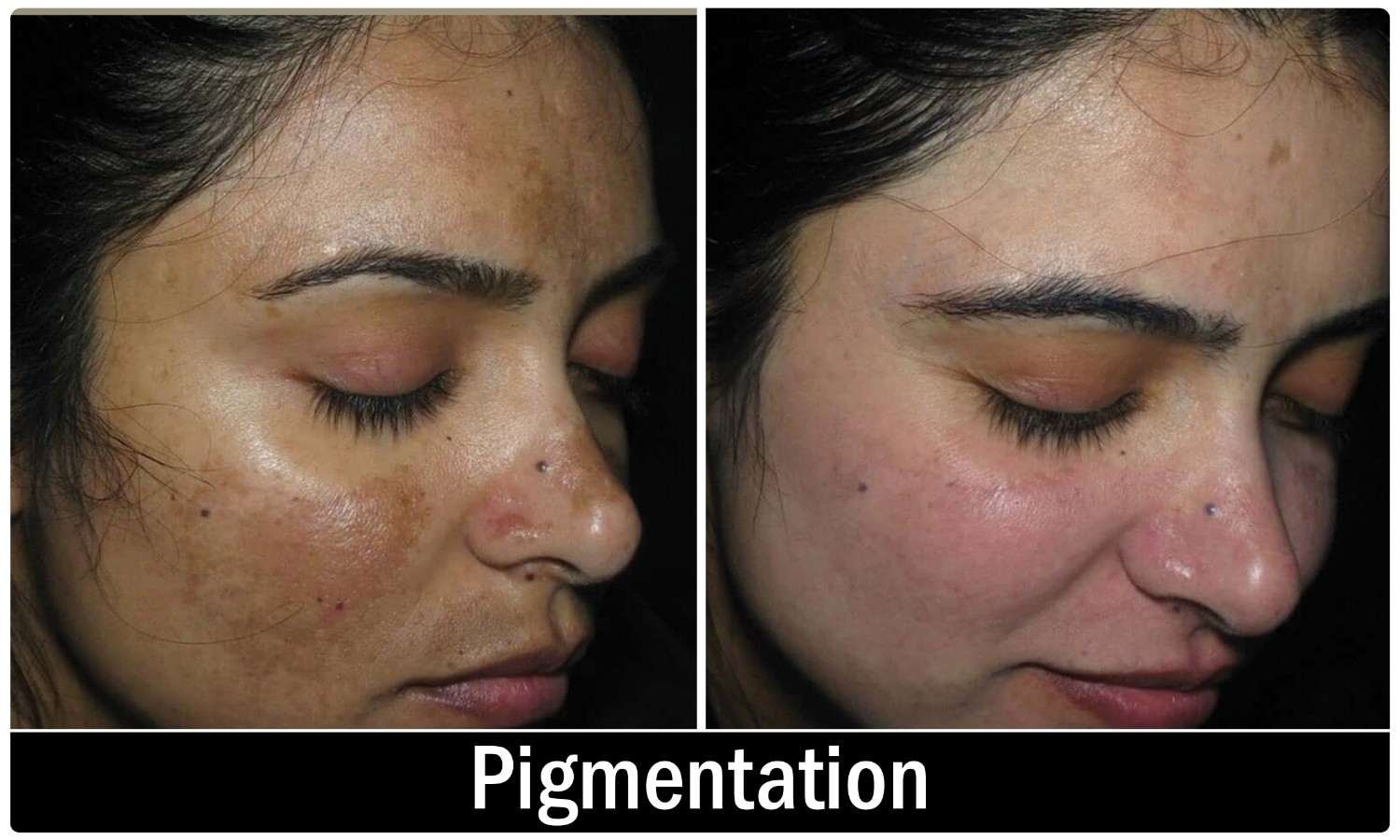
People often use three words for what they see in the mirror, and they mean different things. Pigmentation is a change in colour. A flat dark mark left after a pimple, a bite, or irritation is usually post-inflammatory pigmentation: the skin made extra pigment while it healed, and its texture is normal. Pigmentation can also come from sun exposure, hormones, or other causes, and the pattern gives clues.
Acne scars are changes in structure. A sunken scar means tissue was lost during healing; a raised scar means too much was made. The texture is altered, not just the colour. Uneven texture may be a mix of both, along with roughness, enlarged pores, or shallow marks.
A dark mark after acne is not necessarily a scar, and a sunken scar will not be fixed by treating pigment alone. So the answer to “can laser help?” starts with finding out which of these you have, not with the word you used for it.
What Skin Concerns Laser Treatment May Address
Laser skin resurfacing uses focused light energy to target specific concerns. Different lasers do different jobs, and finding out which approach fits depends on the concern, how deep it goes, and your skin type.
Uneven Skin Tone & Pigmentation
Treatment may aim to even out colour in selected cases. Suitability depends on the type and depth of pigmentation and whether the cause is still active.
Acne-Related Texture & Scarring
Treatment may aim to smooth shallow irregularities and soften certain scars. Deeper structural scars may need a combination of approaches.
Surface Irregularities & Sun Damage
Resurfacing may improve surface roughness or fine irregularities. Suspicious or changing lesions must be examined by a doctor first.
Laser Treatment Options in Siliguri
Different laser treatments have different purposes. Depth, intensity, recovery, and risks vary depending on whether the target is colour, surface texture, or structural scars.
| Concern Type | What It Generally Addresses | Primary Strategy |
|---|---|---|
| Pigmentation Concerns | Sun marks, post-inflammatory marks, overall uneven tone | Targeted Light Energy |
| Shallow Acne Scars & Texture | Shallow sunken scars, uneven surface texture, roughness | Laser Resurfacing |
| Deep or Tethered Scars | Deeper structural sunken scars or raised scar tissue | Combination Care / Scar Revision |
| Active Breakouts & Inflammation | Active acne pimples or irritated skin conditions | Medical Assessment First |
Why Skin Type Matters Before Laser Treatment
Skin that makes more pigment is more likely to react to heat and inflammation by darkening, which is why skin tone and your skin’s history matter so much. Darker skin tones are more prone to post-inflammatory pigmentation, so the choice of treatment and settings need particular care.
Several factors are weighed during consultation: your skin tone, tendency toward dark marks, active irritation, recent sun exposure, and how your skin has healed previously. Laser treatments do not work equally well for every skin tone, and settings must be individualized.
What Does Laser Skin Treatment Feel Like?
It depends on the laser, the settings, the area and your own sensitivity. Many people describe warmth, tingling or a brief stinging; some treatments are more uncomfortable and may use numbing cream or other measures. Redness, sensitivity and temporary irritation afterwards are common. No laser treatment is painless for everyone, and none should be promised as having no downtime: how long your skin looks and feels different depends on the treatment.
Risks and Limitations of Laser Skin Treatment
Risks vary with the treatment and with your skin. They can include:
- Temporary redness
- Swelling or sensitivity
- Dryness or peeling
- Temporary changes in skin colour
- Prolonged irritation
- Burns or scarring, in uncommon cases
- Worsening pigmentation in susceptible skin
- Improvement that is smaller than hoped for
Proper assessment and a suitable treatment lower these risks, which is why assessment matters, but they are never zero.
What Results Can You Expect From Laser Resurfacing?
Outcomes depend on the condition being treated, the type of laser and approach, how deep or severe the concern is, your skin, how you respond, and how many treatments are done. Some concerns improve gradually and need more than one session.
Nobody can promise flawless skin, completely scar-free skin, permanent elimination of pigmentation, or the same result for every patient.
| Option | How it works, in general | May be considered for |
|---|---|---|
| Laser treatment | Focused light energy; the type of laser decides what it targets and how deep it goes | Selected pigmentation, texture or scar-related concerns, depending on the technology |
| Microneedling | Controlled micro-injuries that prompt the skin to repair itself | Selected texture and scar-related concerns |
| Chemical peels | A chemical solution that exfoliates the skin's top layers | Selected superficial concerns, pigmentation or texture |
No option suits everyone. The right choice depends on the nature of the concern, your skin, the risks, and your goals. Sometimes it is a combination or a gentler option first.
Laser Treatment vs Scar Revision
Selected superficial texture or pigment concerns may be considered for laser treatment. Scars that are widened, raised or structural may need a different clinical strategy, such as surgical revision or other medical treatment. Keloids have their own treatment and recurrence considerations, and laser does not automatically treat them or replace a surgical assessment.
Laser Resurfacing Cost
No price is given without knowing the concern. Cost depends on the concern itself, the area treated, technology chosen, number of sessions needed, and problem complexity.
Choosing a Clinic
Ask who performs the treatment and if the cause is examined before a laser is suggested. Ensure your skin type, risks, recovery, and follow-up are fully explained.
Our Medical Team
Skin and scar care includes Dr. Sneha Bhagat, consultant cosmetic physician (MBBS, PGD in Clinical Cosmetology & Cosmetic Dermatology), and plastic surgeon Dr. Amit Kr. Choudhary (MBBS, MS, M.Ch).
How Your Skin Treatment Plan Is Decided
A good consultation starts with the concern you want to improve and how long it has been there. After examining your skin, earlier treatments, skin type, sensitivity, and medical history, the doctor explains which options could help and what each may and may not achieve.
Not every consultation ends in a laser treatment. You may be advised to treat active acne first, try a gentler option, wait, or see someone else about a different problem.
Tell the team about your medications, skin conditions, recent tanning, and earlier procedures. Follow instructions on skin-care products and sun exposure prior to treatment.
Protect treated skin as instructed, avoid picking or scrubbing sensitive skin, and attend follow-up. Do not stop or start any medicine on your own; consult the clinic.
Frequently Asked Questions About Laser Skin Treatment
Can laser treatment make pigmentation worse?
In some cases, yes. Susceptible skin can react to heat or irritation by making more pigment, and an unsuitable laser or incorrect settings raise that risk. Careful assessment lowers that risk, but cannot remove it entirely.
Can I wear makeup after laser treatment?
It depends on the treatment. After gentler treatments many clinics allow clean makeup once the skin has settled; after stronger ones you may be asked to wait until the skin has healed.
How careful do I need to be about the sun after treatment?
Very. Treated skin is more sensitive, and sun exposure can undo results or darken the skin. Clinicians generally advise strict sun protection, including sunscreen and avoiding intense sun.
Can I have laser treatment if I have active acne?
Often active acne is treated first, because laser over inflamed or infected skin can cause irritation and pigmentation. Whether any laser treatment is suitable depends on the type and severity of the acne.
Is laser treatment suitable for sensitive skin?
Sometimes, with care. Sensitive skin can react strongly, so the type of laser, settings, and gentler alternatives matter. Tell your clinician about product reactions.
Can laser be combined with other treatments?
Sometimes. Laser may be combined or sequenced with options such as peels, microneedling or topical skin care. Combining can increase irritation, so timing is planned by the clinician.
What happens if results are only partial?
Partial improvement is not unusual. Your clinician may suggest more sessions, a different treatment, complementary care or accepting the result. Some pigmentation and scars persist.
Do different types of acne scars need different treatments?
Yes. Shallow, superficial scars and uneven texture may suit laser, microneedling or peels, while deeper, tethered or raised scars may need other approaches, including surgical assessment.
Will I need follow-up or maintenance?
Often, yes. Follow-up checks how your skin is responding, and maintenance may include sun protection and skin care to help keep results, especially for pigmentation that can return.
How do I book a skin consultation in Siliguri?
To book, call +91 93398 30705, write to the clinic on WhatsApp or request an appointment through the website. Mention whether your concern is pigmentation, texture or acne scars.