Hair Loss Is a Symptom, Not a Single Condition
Shedding and thinning are signs that something is affecting the hair growth cycle, and several things can. Hereditary pattern hair loss is common. Temporary increased shedding can follow illness, stress or other physiological changes. Nutritional or medical factors, inflammatory or scalp-related conditions, and other causes that need clinical assessment can all play a part.
Thinning alone does not tell you which one applies. Identifying the type of hair loss comes before choosing any treatment, PRP included.
This page gives general information, not a diagnosis.
What Type of Hair Loss Are You Experiencing?
These are broad patterns, not a way to diagnose yourself. Understanding your specific hair loss pattern helps determine the appropriate management strategy.
Male Pattern Hair Loss
Usually shows as gradual recession at the temples, a changing hairline and thinning around the crown.
It tends to progress slowly, and noticing it early gives you more time to consider your options.
Female Pattern Hair Loss
Often appears as diffuse thinning, a widening central parting and reduced overall density, rather than a receding hairline.
Other causes of thinning can look similar, so clinical assessment matters.
Sudden or Increased Hair Shedding
Unusually heavy or sudden shedding can have several causes and may need medical assessment before any cosmetic treatment is considered.
Hair Thinning After Illness or Stress
Some shedding that follows illness, major stress or physical change is temporary and settles on its own.
Other patterns are not, and only assessment can tell them apart.
Scalp-Related Hair Problems
Inflammation, irritation and other scalp conditions can affect hair health and may need their own treatment. PRP is not automatically appropriate for any of these patterns.
When Is It Worth Having Your Hair Loss Assessed?
A consultation is worth considering when thinning is becoming more noticeable, your parting or hairline is changing, shedding keeps going, your scalp shows where it did not before, hair loss keeps returning, you have scalp symptoms such as itching or soreness, or you simply do not know the cause.
Sudden patchy hair loss, significant scalp inflammation or hair loss alongside other concerning symptoms should be medically evaluated promptly. None of this is a reason for alarm. It is a reason not to guess.
What Is PRP Treatment for Hair Loss?
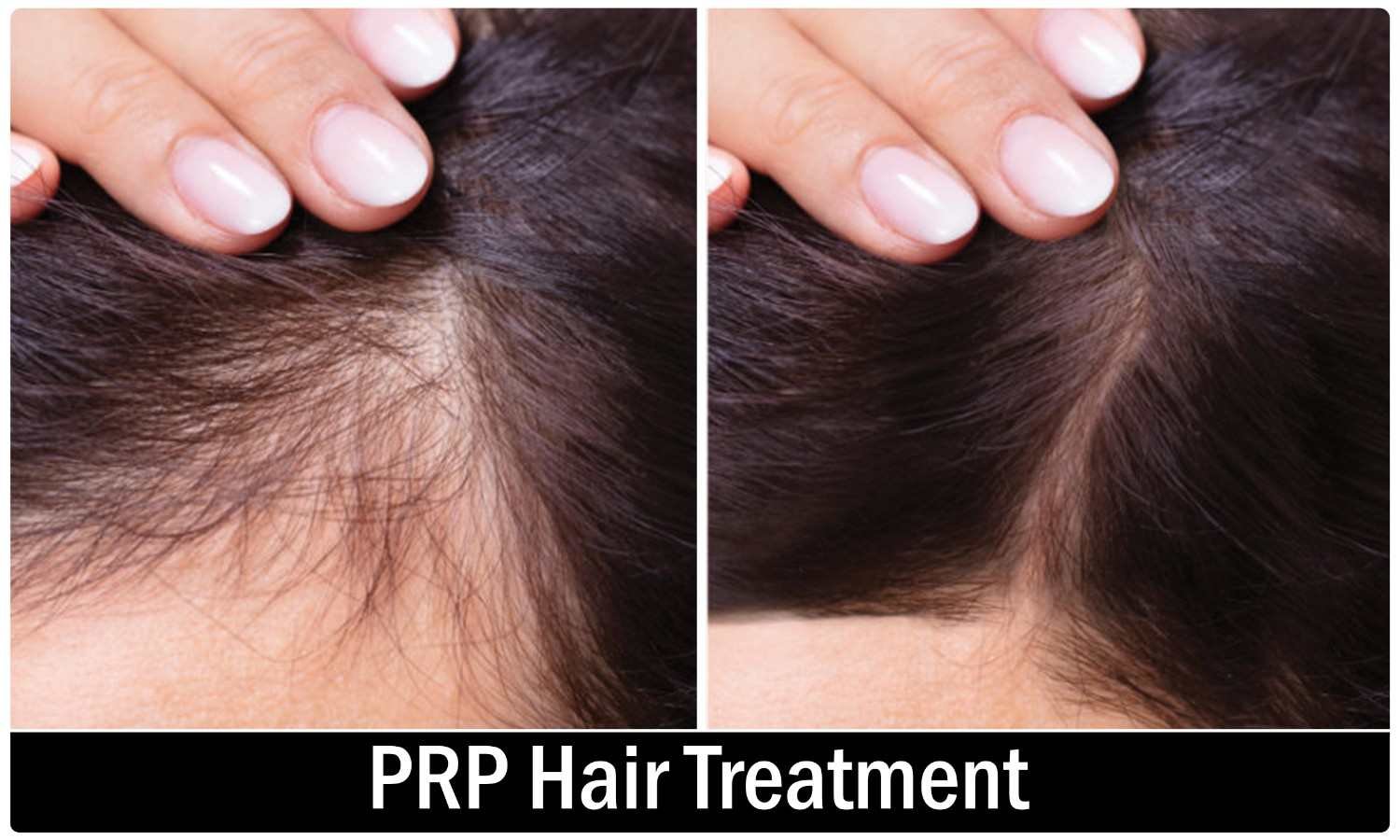
PRP stands for platelet-rich plasma. It is prepared from a sample of your own blood, which is processed to obtain plasma with a higher concentration of platelets, and then used in selected treatment settings.
PRP is used and studied for certain hair-loss indications, particularly pattern hair thinning. The strength of the evidence and the degree of benefit vary by condition, and treatment protocols are not uniform. It is not a cure, and it does not work for every type of hair loss.
PRP is generally regarded as an adjunctive treatment, used alongside assessment and other management, for selected cases of hair thinning. For suitable patients, the aim may be better hair density or thickness.
It helps to separate outcomes that are often blurred together:
Helps reduce the impact of certain thinning patterns in suitable candidates when identified early.
Aims at improving density and thickness in selected patients alongside appropriate clinical management.
PRP does not treat every underlying cause of hair loss, making proper initial diagnostic evaluation essential.
PRP is not expected to restore hair where follicles are no longer present. Individual response varies, and results cannot be guaranteed.
Understanding these distinctions ensures realistic expectations and helps guide a tailored treatment approach.
Who May Consider PRP Hair Treatment?
Candidacy depends on the cause and pattern of hair loss, scalp condition, medical history and expectations. PRP may be discussed in selected cases of early or moderate pattern thinning, certain forms of nonscarring hair loss, and reduced density where follicles are still present, particularly for people who want a nonsurgical option after assessment. There is no rigid rule, and PRP cannot reliably restore a completely bald scalp.
Consultation & Examination
It starts with talking. The doctor asks when the hair loss began, how it has changed, what you have tried and about your medical history, then examines your hair and scalp. Only after that is there a decision about whether PRP is suitable.
Blood Collection & Processing
If PRP is deemed suitable, a sample of your blood is collected and prepared into platelet-rich plasma through an appropriate clinical centrifugal process to isolate active growth factors.
Administration & Aftercare
The treating professional administers the PRP to targeted scalp areas, providing comprehensive aftercare advice and a plan for follow-up visits based on your personalized treatment plan.
Ready to Discuss Your Hair & Scalp Health?
Book a consultation at Symmetrica in Siliguri to evaluate your suitability, review your options, and receive customized medical guidance for your hair loss concerns.
What to Expect & Timeline
Understanding how PRP works, session frequency, and realistic timelines for noticing changes.
When Is PRP Not the First Step?
Some situations call for the cause to be evaluated or managed first: sudden or unexplained shedding, suspected nutritional or medical contributors, active scalp disease, certain scarring forms of hair loss, and extensive bald areas with limited remaining follicles. Depending on the condition, another approach may be more appropriate.
How Many PRP Sessions Are Needed?
There is no universal number. The schedule depends on the indication, the clinical approach, your response and your doctor's plan. Some protocols use an initial series followed by reassessment or maintenance, but they vary. Be cautious about anyone who quotes a fixed number of sessions before examining you.
When Might You Notice Changes?
Gradually, if at all. Hair grows in cycles, so any change takes time to become visible, and shedding and density are hard to judge from one week to the next. Response varies, and several sessions may be recommended. Photographs or follow-up assessments help judge progress over time.
How Long Do Effects Last?
It varies with the cause of hair loss, your response and whether the underlying condition keeps progressing. Some people need maintenance treatment as part of an ongoing plan. PRP does not necessarily stop the progression of hereditary hair loss and is not expected to be permanent.
PRP or Hair Transplant: Which Is Appropriate?
They solve different problems. PRP is a nonsurgical approach that may be considered for selected hair-thinning conditions without moving follicles. A hair transplant is a surgical procedure that moves hair follicles for selected patients with suitable donor hair. Neither is better in general; the right choice depends on diagnosis, loss extent, and goals.
Risks, Considerations & Clinical Care
Hair-loss management can involve medical evaluation of contributing causes, appropriate nonsurgical care, selected PRP, hair transplantation where suitable, and ongoing monitoring. Not everyone needs all of these, and there is no fixed combination.
Men and women show different patterns of hair loss and underlying causes, so treatment is chosen after individual assessment, not by gender. PRP is not equally effective for every type of hair loss in either group.
The condition of your scalp and the type of hair loss shape every decision. The doctor evaluates key factors including:
- Visible irritation, inflammation, or scalp changes.
- The pattern and distribution of thinning across the scalp.
- Your previous treatment history and any associated symptoms.
- Distinguishing between nonscarring and potentially scarring hair loss.
Cost depends on the type of treatment, the nature and extent of the hair loss, the number of sessions in the proposed plan, clinical requirements and any follow-up or maintenance. Because those differ, cost cannot be fixed before an assessment.
Frequently Asked Questions
Does my scalp need to be assessed before PRP?
Yes. The type of hair loss and the condition of your scalp decide whether PRP is appropriate at all, so assessment comes first. Some conditions need evaluation or different management before PRP is considered.
Can PRP be discussed alongside other treatment?
Yes. Hair-loss management can involve more than one approach, and your doctor can explain how PRP might fit with other care. There is no fixed combination, and the plan depends on your diagnosis.
Does PRP involve downtime?
Usually there is no long recovery, but temporary tenderness, redness or swelling can occur. Ask about what to expect for your own plan, and follow the aftercare advice you are given.
When can I return to normal activities?
Many people return to their routine soon after treatment, but advice varies. Ask the clinic about washing your hair, exercise and other activities, and follow what you are told.
Is PRP suitable for every age group?
Not necessarily. Suitability depends on the cause and pattern of hair loss, your general health and your goals, not on age alone. Hair loss in young people and older adults can have different causes, so assessment matters.
Can hair loss be linked to nutrition or other medical factors?
It can. Nutritional and medical contributors may play a part in some types of hair loss, which is one reason assessment comes before cosmetic treatment. A doctor can tell you whether further evaluation is worth considering.
Is all thinning hair hereditary?
No. Hereditary pattern hair loss is common, but illness, stress, scalp conditions and other factors can also cause thinning. The pattern and history help the doctor work out which applies.
Will I need maintenance treatment?
Some people do. If the underlying cause continues, benefit may fade without ongoing management. Your doctor can explain whether maintenance is likely to be part of your plan.
What if PRP does not give the improvement I hoped for?
Response varies, and some people do not respond as hoped. Follow-up helps judge this, and your doctor can discuss whether to continue, adjust the approach or consider other options.
When might I need to discuss hair transplantation instead?
When hair loss is more extensive or established, follicles are limited, and you want to restore hair in specific areas, a transplant may be worth discussing, subject to donor hair and assessment. Your doctor can explain whether it suits you.
How do I book a hair and scalp consultation?
Call Symmetrica on +91 93398 30705 or use the contact page. Tell us what you have noticed and we will help you arrange a time at the clinic on Sevoke Road.