Laser Treatments
Unwanted hair, uneven skin tone, patchy pigmentation, rough texture, and marks left by acne are very different concerns, yet people often wonder whether a laser could help with them. Sometimes it can. Sometimes another approach is safer, simpler, or more likely to help.
Laser treatment is not one procedure. It is a group of treatments that use specific wavelengths of light for specific purposes, and the right choice depends on the concern, your skin characteristics, your medical history, and whether a particular treatment suits you at all.
This page gives an overview of laser-based aesthetic treatment and helps you find the right place to read more. Symmetrica is a cosmetic and aesthetic clinic in Siliguri, and a consultation here starts with your concern and your questions, not with a treatment already chosen.
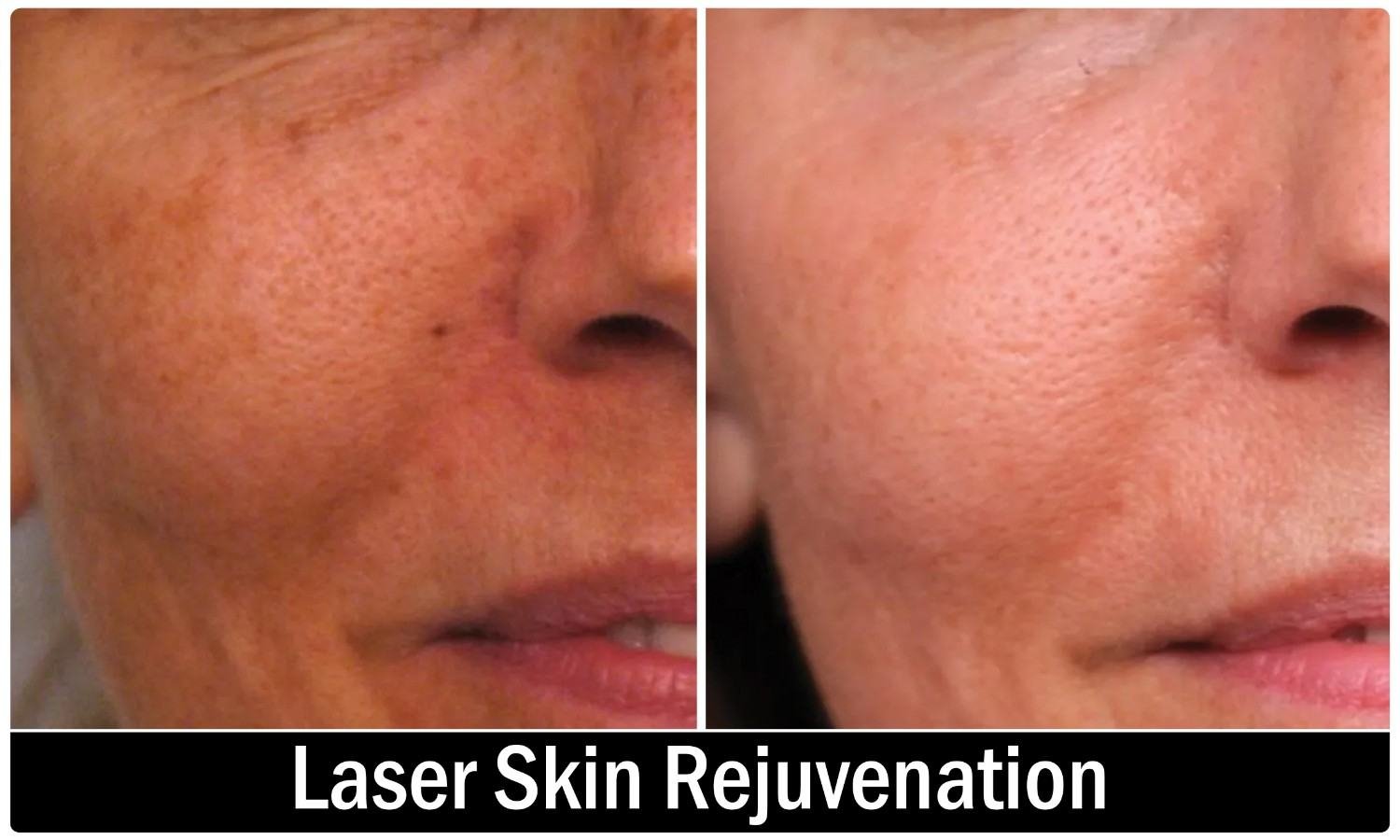
What Does Laser Skin Treatment Feel Like?
It depends on the laser, the settings, the area, and your own sensitivity. Many people describe warmth, tingling, or a brief stinging; some treatments are more uncomfortable and may use numbing cream or other measures. Redness, sensitivity, and temporary irritation afterwards are common. No laser treatment is painless for everyone, and none should be promised as having no downtime: how long your skin looks and feels different depends on the treatment.
Risks and Limitations of Laser Skin Treatment
Risks vary with the treatment and with your skin. They can include:
- Temporary redness
- Swelling or sensitivity
- Dryness or peeling
- Temporary changes in skin colour
- Prolonged irritation
- Burns or scarring, in uncommon cases
- Worsening pigmentation in susceptible skin
- Improvement that is smaller than hoped for
Proper assessment and a suitable treatment lower these risks, which is why assessment matters, but they are never zero.
What Results Can You Expect From Laser Resurfacing?
Outcomes depend on the condition being treated, the type of laser and approach, how deep or severe the concern is, your skin, how you respond, and how many treatments are done. Some concerns improve gradually and need more than one session.
Nobody can promise flawless skin, completely scar-free skin, permanent elimination of pigmentation, or the same result for every patient.
| Option | How it works, in general | May be considered for |
|---|---|---|
| Laser treatment | Focused light energy; the type of laser decides what it targets and how deep it goes | Selected pigmentation, texture or scar-related concerns, depending on the technology |
| Microneedling | Controlled micro-injuries that prompt the skin to repair itself | Selected texture and scar-related concerns |
| Chemical peels | A chemical solution that exfoliates the skin's top layers | Selected superficial concerns, pigmentation or texture |
No option suits everyone. The right choice depends on the nature of the concern, your skin, the risks, and your goals. Sometimes it is a combination or a gentler option first.
Laser Treatment vs Scar Revision
Selected superficial texture or pigment concerns may be considered for laser treatment. Scars that are widened, raised or structural may need a different clinical strategy, such as surgical revision or other medical treatment. Keloids have their own treatment and recurrence considerations, and laser does not automatically treat them or replace a surgical assessment.
Laser Resurfacing Cost
No price is given without knowing the concern. Cost depends on the concern itself, the area treated, technology chosen, number of sessions needed, and problem complexity.
Choosing a Clinic
Ask who performs the treatment and if the cause is examined before a laser is suggested. Ensure your skin type, risks, recovery, and follow-up are fully explained.
Our Medical Team
Skin and scar care includes Dr. Sneha Bhagat, consultant cosmetic physician (MBBS, PGD in Clinical Cosmetology & Cosmetic Dermatology), and plastic surgeon Dr. Amit Kr. Choudhary (MBBS, MS, M.Ch).
How Your Skin Treatment Plan Is Decided
A good consultation starts with the concern you want to improve and how long it has been there. After examining your skin, earlier treatments, skin type, sensitivity, and medical history, the doctor explains which options could help and what each may and may not achieve.
Not every consultation ends in a laser treatment. You may be advised to treat active acne first, try a gentler option, wait, or see someone else about a different problem.
Tell the team about your medications, skin conditions, recent tanning, and earlier procedures. Follow instructions on skin-care products and sun exposure prior to treatment.
Protect treated skin as instructed, avoid picking or scrubbing sensitive skin, and attend follow-up. Do not stop or start any medicine on your own; consult the clinic.
Frequently Asked Questions About Laser Treatments
1. Who may not be suitable for laser treatment?
Suitability is individual. Recent sun exposure or tanning, certain skin conditions, some medicines, a tendency to scar or pigment easily, and pregnancy can all affect whether and when treatment is appropriate. Share your full history so the right decision can be made.
2. Do I need a consultation before treatment?
Yes, and it is the most useful step. It lets the clinician assess your skin, understand your concern and explain risks and alternatives before you decide anything.
3. How should I prepare for a laser appointment?
Preparation depends on the treatment, and you will be told what applies to you. In general, avoid unprotected sun exposure beforehand, tell the clinician about medicines and skincare products you use, and follow any specific instructions for the area being treated.
4. Will I feel discomfort during treatment?
You may. Sensations vary with the treatment and the area, and some people are more sensitive than others. Ask beforehand what to expect, and say so during treatment if you are uncomfortable.
5. What side effects should I watch for?
Mild redness and sensitivity are common and usually temporary. Contact the clinic if you notice blistering, severe or increasing pain, marked swelling, unexpected colour change or anything that worries you.
6. What aftercare is usually needed?
It differs by treatment, so follow the instructions you are given. Sun protection is important for many procedures, and gentle skin care is often advised. Avoid assuming that one routine fits every laser.
7. When will I see results?
That depends on the treatment. Some changes appear gradually over weeks or after several sessions, while others are limited. Results vary, and no particular outcome can be promised.
8. Are there alternatives to laser treatment?
Often, yes. Depending on the concern, skincare, topical treatment, peels, microneedling or other options may be considered, sometimes alongside or instead of a laser. A consultation helps weigh them.
9. What if a laser treatment is not recommended for me?
Then you will be told why, and what else might help. A consultation does not commit you to treatment, and the aim is the right advice, not a procedure.
10. How do I choose between laser treatments?
Begin with the concern: hair, pigmentation, texture or scars. Then read the dedicated page for it and discuss it at consultation, where your skin and history decide what is suitable.