
About Us
Contrary to popular belief, Lorem Ipsum is not simply random text. It has roots in a piece of classical Latin literature from 45 BC, making it over 2000 years old.
Contrary to popular belief, Lorem Ipsum is not simply random text. It has roots in a piece of classical Latin literature from 45 BC, making it over 2000 years old.
Hair loss rarely stays a purely cosmetic matter. It changes how people see themselves, and many put off asking for help for years. Not everyone with thinning hair needs a transplant, though. Whether surgery makes sense depends on the cause and pattern of the loss, the donor hair available, your age, the hair you still have and what you expect.
At Symmetrica, consultation and treatment planning in Siliguri start with a proper assessment, and surgery is discussed only if it genuinely fits.
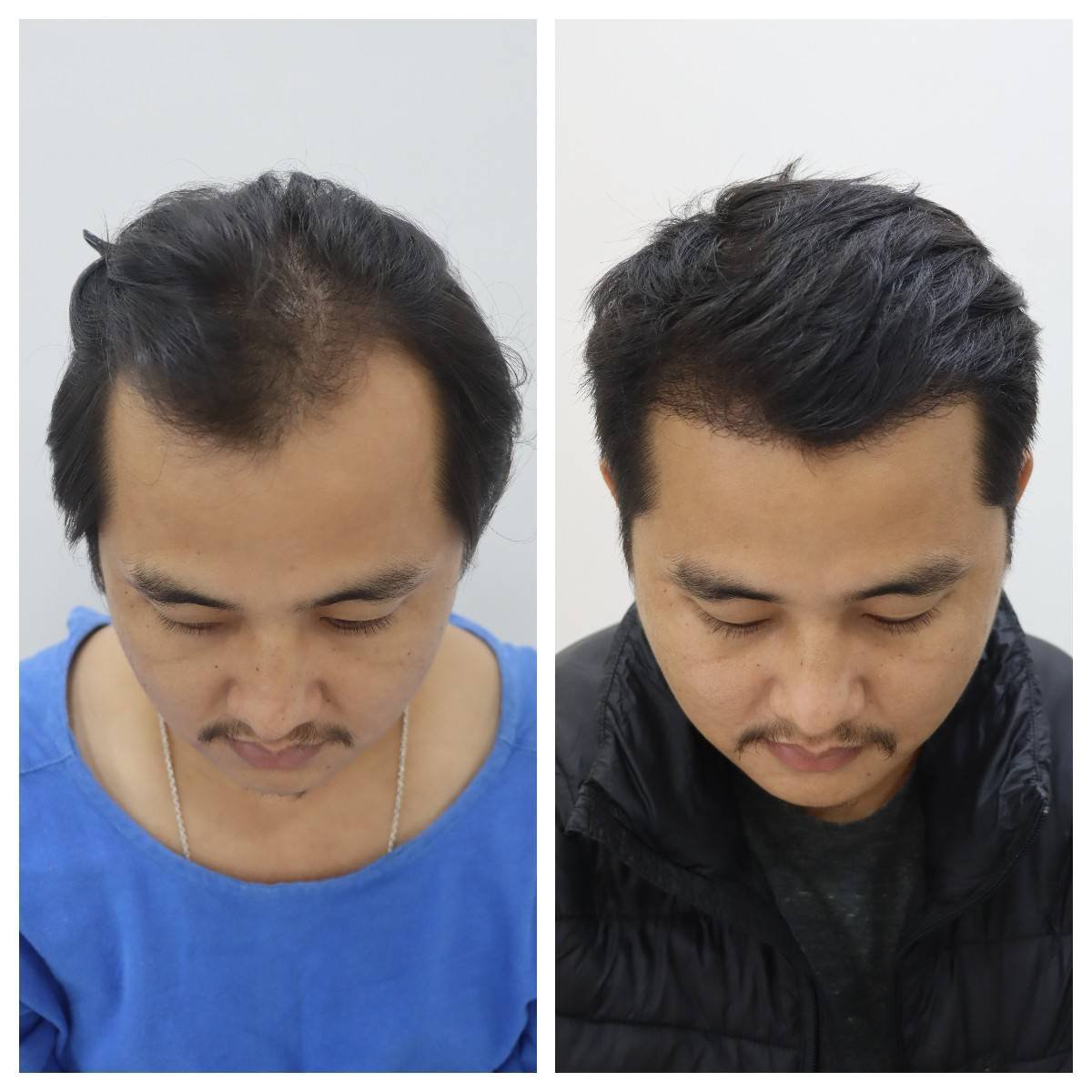
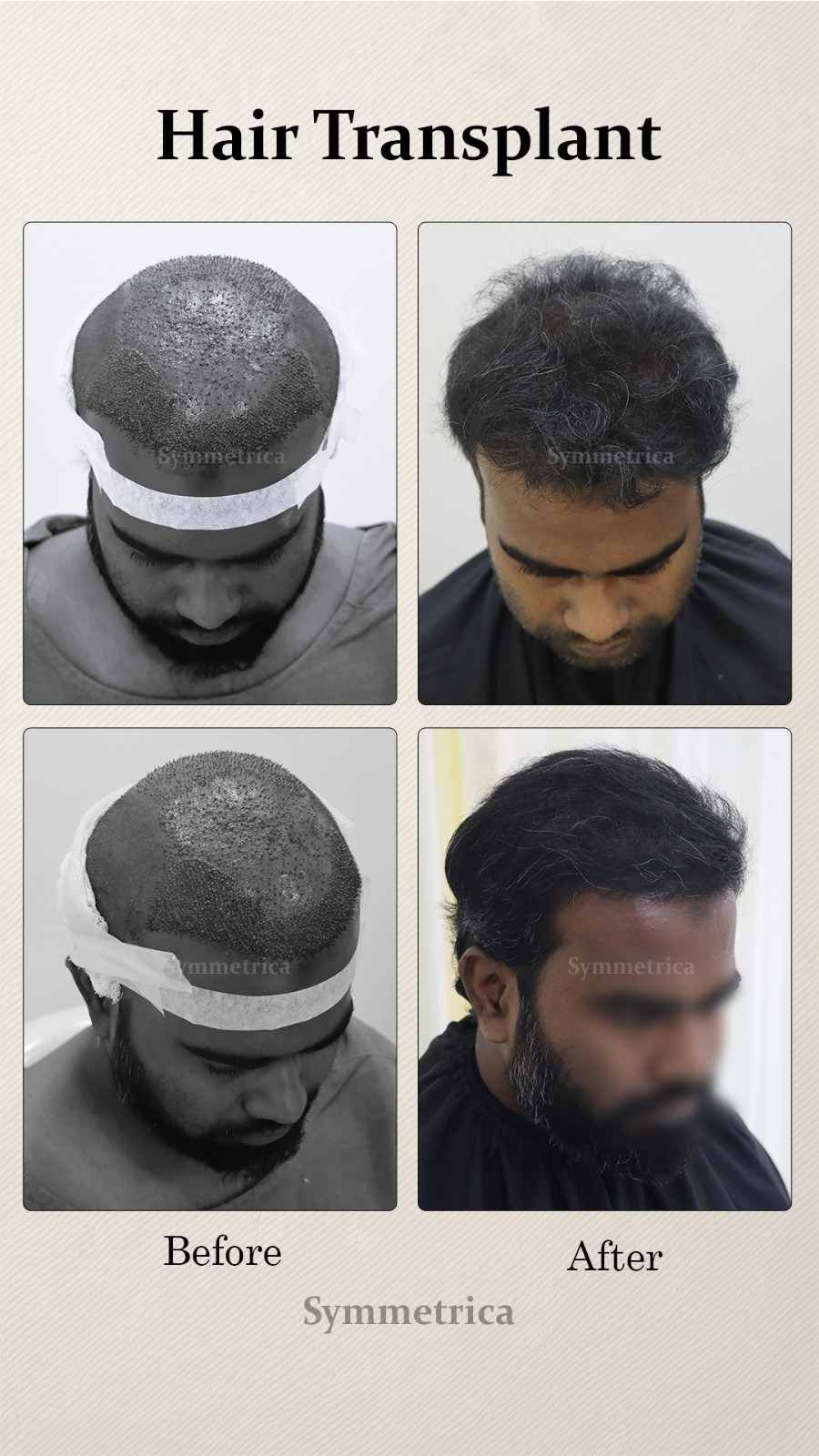
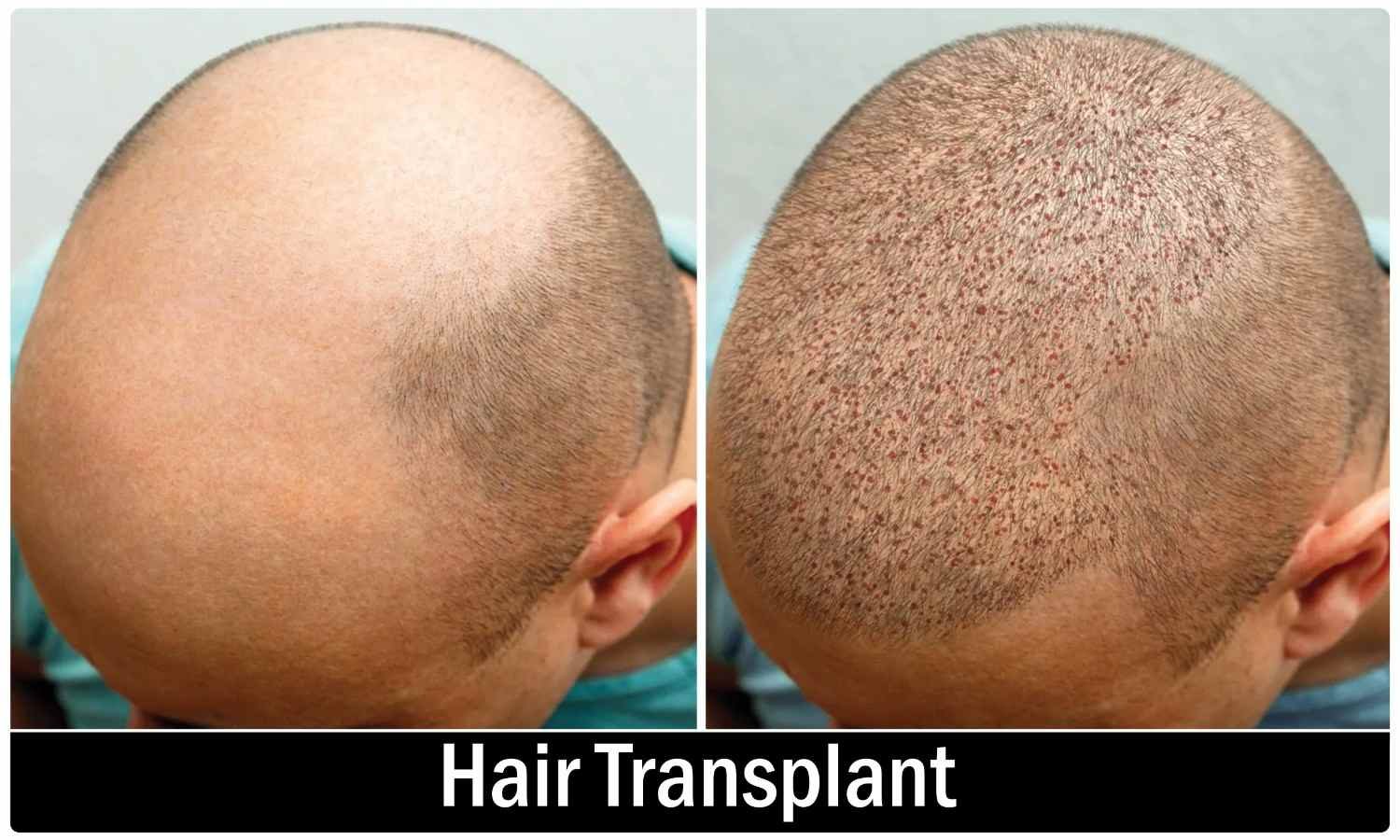
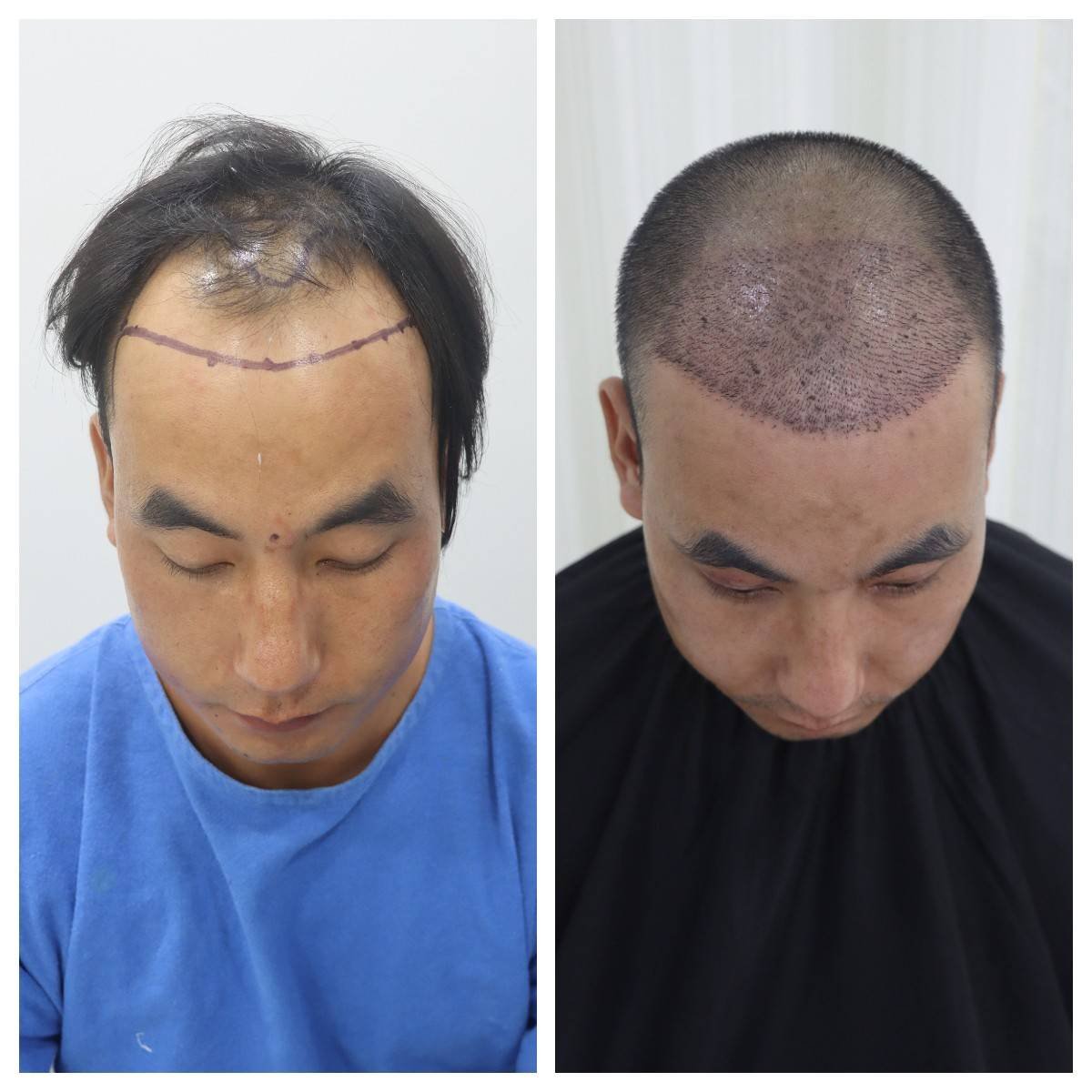
A hair transplant moves hair from an area where it grows well to an area where it has thinned or gone. The surgeon takes healthy follicles from a donor area, usually the back and sides of the scalp, where hair tends to resist the process that causes pattern baldness. These are placed in tiny openings in the thinning or bald area, called the recipient area, where they continue to grow.
It is a surgical redistribution, not a creation of new hair, so the quantity of donor hair sets the limits. That is why the planning of the hairline and density matters as much as the technique itself, and why the diagnosis must come first.
Hair transplantation may be considered by selected people with:
Suitability is decided after an individual medical evaluation, not from a photograph or a description.
Hair loss has many causes, and not all of them are helped by surgery. Some patients are better served by a diagnosis and non-surgical or medical management first, particularly when the loss is still active or the cause is not yet clear. A transplant moves hair; it does not stop the underlying process in the hair around it. A careful scalp and hair assessment helps work out which situation you are in. The doctor will explain all available options during your consultation.
The two main techniques differ primarily in how donor hair is harvested and harvested tissue is processed. Neither is universally better in every case; the choice depends on your donor hair characteristics, degree of loss, and scalp laxity.
| Method | Harvesting Technique | Scarring & Recovery Characteristics |
|---|---|---|
| FUE Hair Transplant Follicular Unit Extraction |
Removes individual follicular units directly using a small micro-punch. | Leaves tiny, scattered micro-marks. Preferred for keeping donor scarring minimal or wearing hair short. |
| FUT Hair Transplant Follicular Unit Transplantation |
Removes a thin strip of donor tissue, separated under magnification. | Leaves a fine linear scar hidden by surrounding hair. Depends on donor density and scalp laxity. |
Which Hair Transplant Method Is Better? Neither is better in every case. The choice depends on the donor hair, the degree and pattern of loss, any previous procedures, the scalp itself and your goals, all assessed by the surgeon. Be cautious of any clinic that recommends one technique before examining you.
The hairline is designed for you, not borrowed from a template. The surgeon considers your age, because a hairline that suits a man of 25 may look odd on a man of 45, and the proportions of your face. A natural hairline is slightly irregular, with a soft transition rather than a straight edge. Hair direction and angle follow the way your own hair grows. Density is graded, lighter at the front and fuller behind.
Planning also looks ahead. Existing native hair and the likely future pattern of loss are taken into account, so the result still looks right if the hair around it thins further. An overly low or perfectly straight hairline may look artificial, and can become obvious as the years pass.
Details vary between patients, and exact durations and graft numbers are set at consultation. The procedure follows a structured, multi-step surgical process.
The doctor reviews your history and examines the scalp and hair, checking donor density, hair calibre and the pattern of loss.
The hairline is designed and marked, and the likely number and distribution of grafts are estimated.
The donor area is prepared, which may include trimming the hair, and local anaesthesia is given for your comfort.
Follicular units are removed from the donor area by the chosen technique and kept in suitable conditions until placed.
Tiny openings are made in the recipient area, with precise attention to angle, direction and natural spacing.
Units are placed one by one (finer single hairs at front, denser behind), followed by immediate post-care guidance.
Recovery is gradual. Redness, swelling, and small scabs are common early on and resolve over a couple of weeks. The transplanted hairs usually shed within the first weeks—this is expected and normal.
| Group | Common Hair Loss Patterns | Clinical & Surgical Considerations |
|---|---|---|
| Men | Male pattern hair loss (receding hairline, temple recession, crown thinning) | Pattern Balancing (balances immediate restoration against ongoing future loss patterns) |
| Women | Diffuse thinning across the scalp; selected localized hair loss | Medical Evaluation (assesses underlying hormonal, nutritional, or thyroid factors first) |
Patience is part of the process. After initial shedding, regrowth begins gradually after a few months, with hair thickening over time. Density continues to improve for up to a year or longer, and individual timelines vary.
Several decisions together: a hairline that suits your face and age, the correct direction and angle of each graft, sensible density distribution, careful handling so the donor area is not overharvested, and a long-term plan that preserves existing hair.
Understanding the full spectrum of hair restoration—from non-surgical therapies to surgical considerations—ensures an informed decision.
Depending on diagnosis, patients may consider non-surgical management such as PRP therapy or scalp micropigmentation for camouflage in selected cases.
The same principles can restore selected beard and eyebrow areas following scarring or patchy growth, planned with specialized facial aesthetic techniques.
Transplanting relocates hair to bare areas, while medical therapy protects surrounding native hair. Combining approaches often delivers the best long-term strategy.
Mild swelling, localized redness, and temporary shedding of transplanted hair shafts are normal early recovery responses that resolve over the following weeks.
Every procedure involves potential risks such as infection, donor/recipient scarring, uneven growth, graft failure, or an unnatural look if execution is poor.
Transplanted grafts generally persist, but surrounding native hair may continue to thin if underlying causes remain active, which may call for further treatment.
Individual variation is significant. Your doctor will outline your personal risk profile during evaluation and explain how these factors apply to your case.
They address different concerns: surgery relocates hair to cover bare areas, while medical therapy preserves hair that is still present. Strategy follows the diagnosis.
| Approach | Primary Objective | Cost Factors in Siliguri |
|---|---|---|
| Hair Transplant Surgery | Relocates donor follicles to cover bare or severely thinned zones | Variable by Graft Count (depends on extent of loss, procedure type, and complexity) |
| Medical / PRP Therapy | Protects, strengthens, and improves existing native hair | Course-Based Sessions (tailored maintenance plans based on condition severity) |
Cost and suitability cannot be accurately determined without an examination. Schedule a consultation for a clinical evaluation and transparent treatment estimate.
Understand your diagnosis, donor capacity, and realistic expectations directly with our surgical and aesthetic medical team.
A hair transplant is a surgical procedure that moves healthy hair follicles from a donor area, usually the back and sides of the scalp, to areas that have thinned or gone bald. The transplanted hairs continue to grow in their new site. Suitability and planning depend on an individual assessment.
A suitable candidate usually has stable, diagnosed hair loss, enough healthy donor hair, good general health and realistic expectations. Pattern hair loss in men is the commonest reason, and selected women and people with scarring may also be considered. Only a medical evaluation can decide suitability.
Neither is better in every case. FUE takes follicular units individually and leaves small scattered marks, while FUT removes a strip of donor tissue and leaves a thin linear scar. The better choice depends on donor hair, the pattern of loss, previous procedures, the scalp and your goals.
Transplanted hairs are usually long-lasting, because donor hair tends to resist the process that causes pattern baldness. But permanence cannot be guaranteed, and the native hair around the transplant may keep thinning. Your doctor may discuss further treatment to protect existing hair.
Transplanted follicles continue to produce hair that grows, can be trimmed and styled like the rest. How natural it looks depends mainly on hairline design, graft direction and angle, density, and long-term planning. Results vary between individuals, and poor planning can leave an artificial look.
Early recovery usually takes days to a couple of weeks, when redness, swelling and scabs settle, and many people return to desk work within that time. Healing and regrowth continue for months. Timelines depend on the individual and the extent of the procedure, so follow your surgeon’s guidance.
Transplanted hairs often shed in the first few weeks, which is expected. New growth typically begins after a few months and thickens gradually over the following months. Timing varies, and the full result is usually judged much later. No fixed date can be promised.