



Seeing your hair fall out slowly is something that can quietly affect your self-confidence. It starts with small things like seeing a few extra strands of hair on your pillow, seeing extra hair stuck in your comb, or even seeing your parting become wider than before. This is when people start looking for the Best Hair Transplant Clinic in Siliguri because they want some serious solutions for this issue.
At first, people think it is nothing serious and will go away on its own, but as time passes by, their concern also increases. You try different oils and shampoos and even follow different types of advice on different websites, but still, your concern does not go away because nothing is helping your cause.
The reality is that many people experience hair fall during some stage of their lives, and it is something that affects men and women equally. The confusion is because you are not sure whether it is a temporary thing and will go away on its own, or whether you need some serious treatment for it. The positive side is that it is something that affects many people and can be treated very effectively.
The Main Causes of Hair Loss?
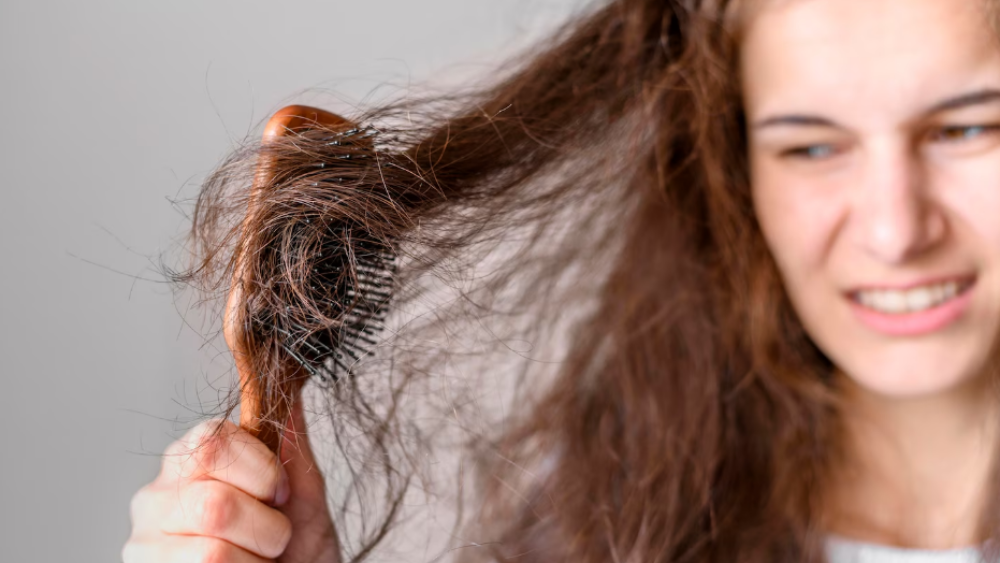
Hair loss is not a single-condition problem. It is usually the result of multiple internal and external factors. Let’s understand the most common causes in detail.
1. Genetic Hair Loss
One of the leading causes of hair thinning is hereditary pattern baldness. If baldness runs in your family, you may start noticing gradual thinning at the crown or a receding hairline. In women, it often appears as overall thinning instead of complete bald patches. Genetic hair loss progresses slowly but continuously if not treated early.
2. Hormonal Imbalance
Hormones play a major role in regulating the hair growth cycle. Conditions like thyroid disorders, PCOS, pregnancy-related changes, menopause, or even sudden hormonal shifts can disrupt hair growth. When hormones fluctuate, hair follicles enter the resting phase faster, leading to increased shedding.
3. Stress and Emotional Pressure
Chronic stress can push hair follicles into a temporary shedding phase called telogen effluvium. This kind of hair loss frequently manifests several months following a traumatic incident. Emotional trauma, lack of sleep, anxiety, or work pressure can all contribute to noticeable thinning.
4. Nutritional Deficiencies
Hair needs proper nourishment to stay strong. Deficiency of iron, protein, vitamin D, biotin, or zinc can weaken hair roots. Crash dieting or skipping meals can also disturb the nutrient supply to hair follicles.
5. Scalp Conditions
Dandruff, fungal infections, and inflammatory scalp conditions can damage hair roots if left untreated. Strong hair growth requires a healthy scalp.
6. Overstyling and Chemical Damage
Frequent straightening, rebonding, coloring, and tight hairstyles can weaken hair strands. Heat tools and chemical treatments gradually reduce hair strength and lead to breakage.
Hair loss is rarely random. It is usually your body’s way of signaling an imbalance. Identifying the root cause helps prevent further damage.
How to Prevent Hair Loss Naturally
Prevention begins with daily habits and lifestyle improvements. While natural methods may not reverse advanced baldness, they can significantly slow down hair fall in the early stages.
1. Improve Your Diet
A protein-rich diet supports healthy hair growth. Include eggs, paneer, fish, lentils, nuts, and seeds in your meals. Leafy vegetables provide iron, while fruits supply antioxidants that protect hair follicles.
2. Stay Hydrated
Dehydration affects scalp health. Drinking adequate water daily supports blood circulation and nutrient delivery to hair roots.
3. Reduce Stress
Simple practices like meditation, deep breathing, or light exercise can lower stress hormones. Even a short daily walk improves overall circulation and mental well-being.
4. Choose Gentle Hair Care
Avoid harsh shampoos with strong chemicals. Use products suitable for your scalp type. Do not brush wet hair aggressively, and avoid tight hairstyles that pull hair roots.
5. Regular Scalp Massage
Massaging your scalp gently increases blood flow to hair follicles. You can use natural oils like coconut or almond oil in moderation.
6. Avoid Frequent Heat Styling
Limiting blow-drying and straightening reduces damage to hair strands. It's always safer to use air drying.
Natural care is effective in mild cases. However, if hair loss continues despite lifestyle changes, a medical evaluation becomes important.
Medical Treatments That Can Help
When hair fall continues despite lifestyle changes, medical support can make a real difference. Today, dermatology offers reliable treatments that are safe and result-focused — but the right option depends on your scalp condition and stage of hair loss.
1. PRP Therapy
Platelet-Rich Plasma (PRP) therapy uses a small sample of your own blood to stimulate weak hair follicles. The concentrated plasma is injected into the scalp to improve blood supply and encourage natural hair growth. It is commonly recommended in the early stages of thinning, especially when hair roots are still active but weak.
2. Hair Growth Medications
Certain clinically approved medicines can slow down hair fall and support regrowth. These are prescribed only after a proper scalp examination and understanding the cause behind the thinning. Self-medication is never advised, as the effectiveness depends on individual factors.
3. Advanced Hair Transplant
For people facing visible baldness or receding hairlines, a hair transplant can offer a long-term solution. The procedure involves taking healthy hair follicles from a donor area (usually the back of the scalp) and placing them in thinning regions. When done by experienced hands, the results look natural and blend well with existing hair.
The key is not rushing into treatment without clarity. A proper diagnosis always comes first. Consulting experts at the Best Hair Transplant Clinic in Siliguri helps you understand which option truly suits your condition, instead of choosing blindly.
When Should You Consult a Hair Specialist?
.png)
Hair fall once in a while is normal. But if you notice the following signs, it’s time to seek expert advice:
● Hair fall lasting more than three months
● A widening hair part or receding hairline
● Bald patches or sudden heavy shedding
Early treatment can prevent long-term thinning. If you’re in Siliguri, clinics like Symmetrica, known as one of the best hair treatment clinics, offer a thorough scalp evaluation and personalized care to help you take the right step at the right time.
Expert Hair Loss Evaluation in Siliguri
If you are looking for genuine guidance and proper diagnosis, Symmetrica Clinic provides detailed hair and scalp evaluation along with personalized treatment plans. It is widely trusted by people searching for the Best Hair Transplant Clinic in Siliguri, especially for safe and modern hair restoration procedures.
Treatments are performed under the supervision of experienced specialists, including Dr. Amit Kr. Choudhary and Dr. Sneha Bhagat. Their approach focuses on understanding the root cause first, and then recommending suitable options such as PRP therapy, medication, or hair transplant only when truly needed.
Each patient receives a customized plan designed to deliver natural-looking and long-lasting results, with clear communication at every step so you always know what to expect.
Frequently Asked Questions
1. Is daily hair fall normal?
Yes, losing around 50–100 strands daily is normal. Concern arises when shedding increases noticeably.
2. Can stress-related hair loss be reversed?
In many cases, yes. Once stress levels reduce and nutrition improves, hair growth often resumes.
3. Is PRP treatment safe?
PRP is considered safe because it uses the patient’s own blood components.
4. Is a hair transplant permanent?
Transplanted hair is generally permanent because follicles are taken from areas resistant to hair loss.
5. How long does treatment take?
PRP sessions may require multiple sittings. Hair transplant results become visible gradually over 6–12 months.
Simple Rule to Remember
- Early care = hair saved
- Delay = harder to recover
Conclusion
Hair loss can feel upsetting, but it doesn’t have to define your confidence. The sooner you understand the cause, the easier it becomes to manage and control it. Small lifestyle changes, timely treatment, and the right guidance can make a real difference.
If you are noticing persistent hair fall, don’t wait for it to worsen. Book a professional hair evaluation and get clarity about what your scalp truly needs. Early action can save your hair and restore your confidence. Book your consultation at Symmetrica today and take the first step towards stronger, healthier hair with expert guidance
Medical Disclaimer
This content is for informational purposes only and should not replace professional medical advice. Always consult a qualified healthcare provider for proper diagnosis and treatment of hair loss conditions.

