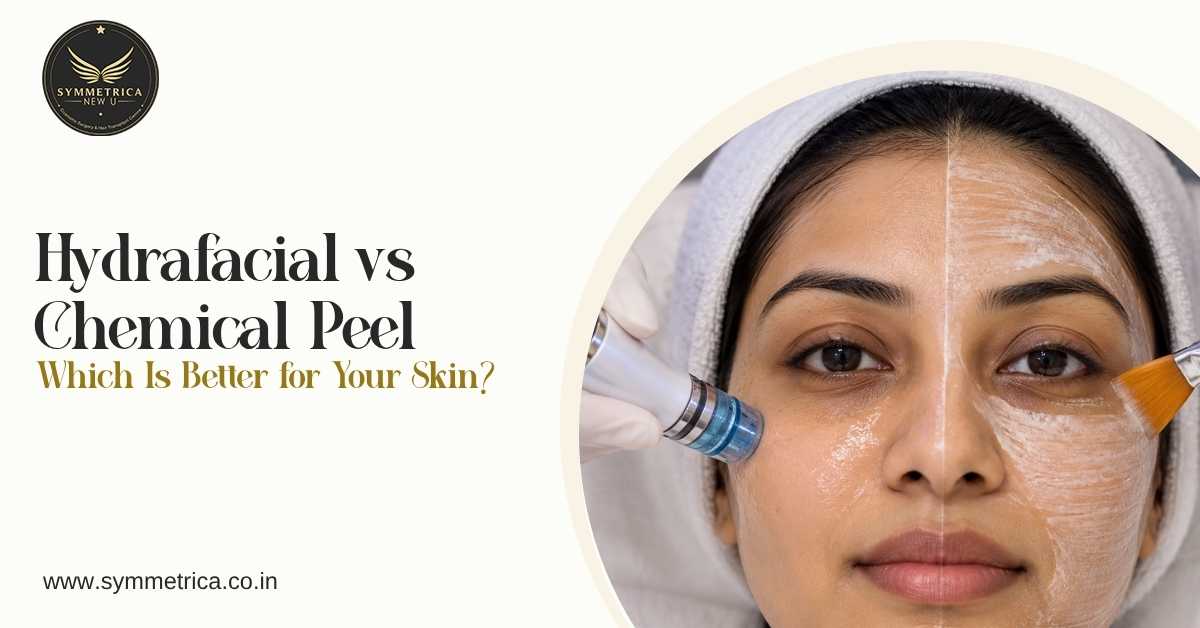


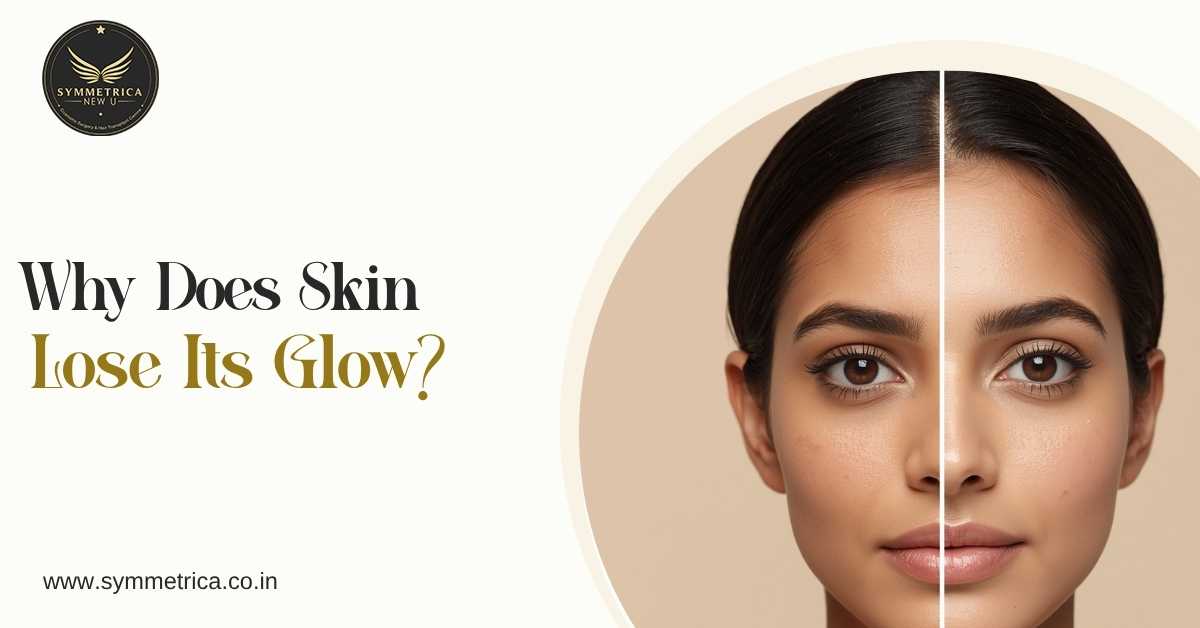

Hydrafacial and chemical peels are commonly used to improve skin texture and appearance. While both can give your skin a refreshing feel and help improve its overall appearance, they work in different ways.
Not every treatment is suitable for everyone. The right treatment depends on your skin type, concerns, and sensitivity.
So, which is better for your skin: Hydrafacial or a chemical peel? If you’re considering Hydrafacial Treatment in Siliguri, the right choice depends on your skin concerns and treatment goals.
Understand Hydrafacial
A Hydrafacial is a non-invasive skin treatment that combines cleansing, exfoliation, extraction, and hydration in one session. It helps remove surface buildup and impurities while adding moisture to the skin for a smoother and fresher appearance.
How Does a Hydrafacial Work?
The treatment uses a specialised device to gently cleanse and exfoliate the skin, remove pore buildup, and deliver hydrating ingredients.
The main steps include:
● Cleansing: Removes dirt, oil, and surface buildup.
● Exfoliation: Removes dead skin cells and helps smooth the skin.
● Extraction: Helps clear impurities from clogged pores.
● Hydration: Adds moisture to the skin and helps it feel softer.
What Skin Concerns Can It Help With?
Hydrafacial may be considered for common skin concerns such as:
● Dull-looking skin
● Dry or dehydrated skin
● Clogged pores
● Excess oil
● Uneven skin texture
● Enlarged-looking pores
It can be a suitable option for people looking for Hydrafacial for glowing skin and a fresher-looking complexion.
Benefits of Hydrafacial
Depending on your skin condition, a Hydrafacial may help with:
● Smoother and softer-feeling skin
● Better hydration
● Cleaner-looking pores
● A fresher complexion
● Improved skin texture
● Little to no downtime for most people
Who Can Consider a Hydrafacial?
Hydrafacial may suit people who want to refresh their skin without undergoing an aggressive treatment. However, the procedure should be chosen according to your skin type, sensitivity, and specific concerns.
When Should You Be Careful?
Although Hydrafacial is generally gentle, it may not be suitable in every situation. You may need to postpone treatment or seek professional advice if you have:
● Very irritated or sensitive skin
● Active skin infections or open wounds
● Severe or inflamed acne
● Recently undergone another skin procedure
● Certain existing skin conditions
A dermatologist or qualified skincare professional can assess your skin and decide whether Hydrafacial for glowing skin is appropriate for you.
Understand Chemical Peel
A chemical peel is a professional skin treatment that uses a chemical solution to remove damaged or dead skin cells from the surface of the skin. It can help improve skin texture, uneven tone, pigmentation, and certain acne-related concerns.
How Does a Chemical Peel Work?
The treatment involves applying a suitable chemical solution to the skin for a controlled period. The solution exfoliates the targeted layers of skin, allowing smoother and more even-looking skin to develop as the skin recovers.
The main steps include:
● Skin cleansing: Removes dirt, oil, and surface buildup.
● Peel application: Applies a suitable chemical solution to the skin.
● Exfoliation: Helps remove damaged or dead skin cells.
● Aftercare: Protects the treated skin and supports proper recovery.
What Skin Concerns Can It Help With?
Chemical peels may be considered for common skin concerns such as:
● Uneven skin tone
● Certain types of pigmentation
● Acne and clogged pores
● Mild acne marks
● Rough skin texture
● Fine lines
● Some sun-related skin changes
Benefits of Chemical Peel
Depending on the type and strength of the peel, it may help with:
● Smoother skin texture
● More even-looking skin tone
● Reduced appearance of certain dark spots
● Cleaner-looking pores
● Improvement in mild acne-related concerns
● Fresher-looking skin
Who Can Consider a Chemical Peel?
Chemical peels may suit people who want to target specific concerns such as pigmentation, acne, or uneven texture. However, the type and strength of the peel should be selected according to your skin type, sensitivity and treatment goals.
When Should You Be Careful?
Chemical peels may cause temporary redness, dryness, sensitivity, or peeling, depending on the type of peel used. You may need to postpone treatment or seek professional advice if you have:
● Very irritated or sensitive skin
● Active skin infections or open wounds
● Severe or inflamed acne
● Recently undergone another skin procedure
● Certain existing skin conditions
A dermatologist or qualified skincare professional can assess your skin and recommend whether a chemical peel is suitable for you.
What Is the Difference Between Hydrafacial vs Chemical Peel?
|
Hydrafacial |
Chemical Peel |
|---|---|
|
Cleanses, exfoliates, extracts, and hydrates |
Uses a chemical solution to exfoliate the skin |
|
Good for dull, dry, and congested skin |
Often used for pigmentation, acne, and uneven texture |
|
Usually little to no downtime |
Downtime depends on the type of peel |
|
Usually causes minimal peeling |
Peeling may occur during recovery |
|
Leaves skin feeling hydrated and refreshed |
Can improve skin tone and texture |
Hydrafacial vs Chemical Peel: Which One Is Better?
|
Skin Concern |
Hydrafacial |
Chemical Peel |
Better Choice |
|---|---|---|---|
|
Dull skin |
Cleanses and exfoliates the skin for a fresher look |
Removes dead skin cells through chemical exfoliation |
Hydrafacial
|
|
Dry or dehydrated skin |
Helps hydrate and soften the skin |
May cause temporary dryness |
Hydrafacial
|
|
Clogged pores |
Helps remove pore buildup through extraction |
Certain peels can unclog pores |
Hydrafacial
|
|
Excess oil |
Cleanses excess oil and surface buildup |
Some peels can help control oil |
Both |
|
Uneven texture |
Provides gentle exfoliation |
Can offer stronger exfoliation |
Chemical Peel |
|
Enlarged-looking pores |
Extraction can help make pores look cleaner |
Exfoliation may improve their appearance |
Hydrafacial |
|
Mild congestion |
Helps remove impurities and buildup |
Certain peels may help |
Hydrafacial |
|
Pigmentation |
Can brighten the skin but is not mainly a pigmentation treatment |
Certain peels can target some pigmentation |
Chemical Peel |
|
Acne |
May help with clogged pores and mild congestion |
Certain peels may help with acne |
Chemical Peel |
|
Acne marks
|
May improve overall skin appearance |
Some peels can help with mild marks |
Chemical Peel |
|
Fine lines
|
Hydration can make skin look smoother |
Some peels can improve fine lines |
Chemical Peel |
|
Quick skin refresh |
Usually little to no downtime |
Downtime depends on the peel |
Hydrafacial |
|
Sensitive skin |
Often a gentler option, depending on skin condition |
May cause more irritation |
Hydrafacial |
Hydrafacial may be a better choice for dryness, dullness, clogged pores, and dehydration, especially if you want Hydrafacial for glowing skin. Chemical peels may suit pigmentation, acne, and deeper texture concerns.
What Are the Risks and Side Effects?
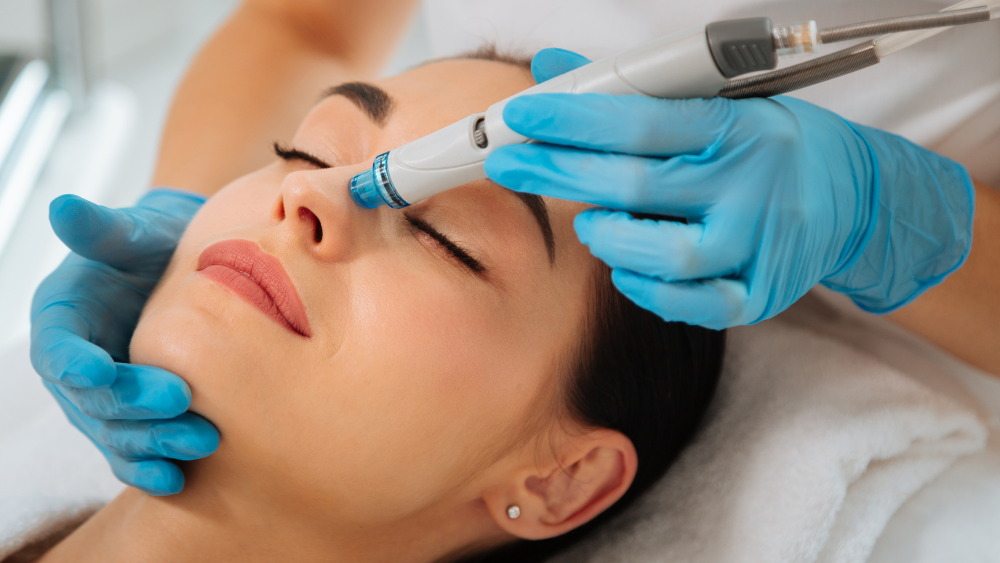
Both Hydrafacial and chemical peels are generally well tolerated, but side effects can occur depending on your skin type, sensitivity, and the treatment used.
Risks and Side Effects of Hydrafacial
● Temporary redness
● Mild skin sensitivity
● Tight or dry feeling after treatment
● Temporary irritation
● Mild swelling in some cases
● Sensitivity to certain products or ingredients
● Skin reaction to serums or solutions used during treatment
● Increased sensitivity if the skin is already irritated
● Rarely, worsening of irritation or an existing skin problem
If you are considering the best Hydrafacial treatment in Siliguri, make sure your skin is assessed before treatment, especially if you have sensitive or irritated skin.
Risks and Side Effects of Chemical Peel
● Redness
● Dryness
● Scaling or peeling
● Burning or stinging
● Temporary skin sensitivity
● Temporary changes in pigmentation
● Darkening or lightening of the skin
● Prolonged irritation
● Infection in rare cases
● Scarring in rare cases
The risk is generally higher with stronger peels or when the treatment is not selected and performed appropriately. Proper aftercare and sun protection are also important during recovery.
Estimated Cost of Hydrafacial or Chemical Peel
These are estimated costs and may vary depending on several factors.
|
Treatment |
Estimated Cost |
|---|---|
|
Hydrafacial |
₹3,000–₹8,000 per session |
|
Chemical Peel |
₹1,500–₹8,000+ per session |
What Factors Affect the Overall Cost
● Type of treatment
● Skin concern
● Products and serums used
● Strength or type of chemical peel
● Treatment area
● Number of sessions
● Clinic location
● Doctor’s experience
● Additional treatments or boosters
● Consultation and aftercare
Before booking the best Hydrafacial treatment in Siliguri, ask the clinic what is included in the quoted price and whether consultation, products, and aftercare are charged separately.
FAQs
Which Treatment Has Less Downtime?
Hydrafacial generally has less downtime than a chemical peel.
Which Gives Faster Results: Hydrafacial or Chemical Peel?
Hydrafacial usually gives quicker visible results, while chemical peels may take longer as the skin recovers.
Can I Get a Hydrafacial and Chemical Peel Together?
They can sometimes be combined, but only if a skincare professional considers it suitable for your skin.
At The End
Choosing between a Hydrafacial and chemical peel depends on your skin type, concerns and desired results.
If you want