

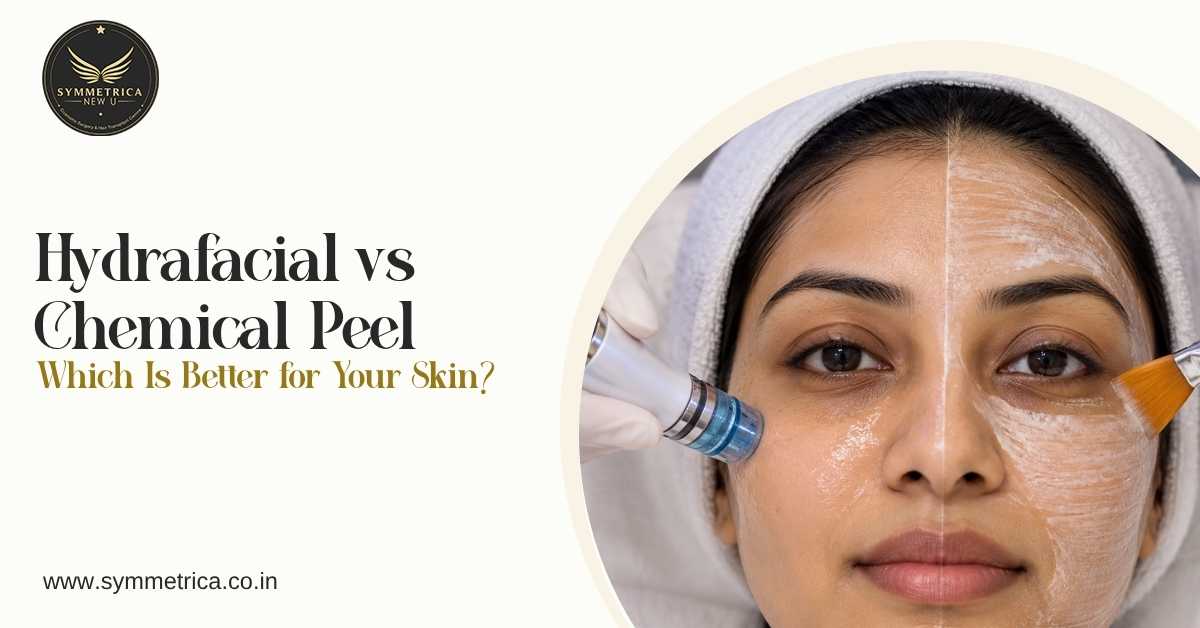


Dark spots are a common skin concern that can develop due to sun exposure, acne, hormonal changes, ageing, or skin injuries. While they are usually harmless, they can make the complexion appear uneven and affect self-confidence.
If you're wondering whether HydraFacial can remove dark spots, the short answer is it can significantly improve the appearance of mild, surface-level pigmentation but may not completely eliminate every type of dark spot. The results depend on the cause, depth of pigmentation, your skin type, and the treatment plan recommended by a dermatologist.
If you are considering a HydraFacial Treatment in Siliguri, understanding how the treatment works and what results to expect can help you make an informed decision. In this guide, we will explain how HydraFacial helps with pigmentation, who benefits most, and when additional treatments may be required.
What Is a HydraFacial?
A HydraFacial is a medical-grade, non-invasive skin resurfacing treatment that cleanses, exfoliates, extracts impurities, and hydrates the skin using patented vortex technology. Unlike a traditional facial, HydraFacial combines several skincare steps into one treatment, helping improve overall skin health without harsh scrubbing or prolonged recovery.
The treatment is commonly recommended to:
- Remove dead skin cells
- Deeply cleanse clogged pores
- Improve skin hydration
- Enhance skin texture
- Brighten dull-looking skin
- Support a more even complexion
Because it is gentle and suitable for most skin types, HydraFacial has become one of the most popular Cosmetic Skin Treatments in Siliguri for people looking for healthier, glowing skin with minimal downtime.
How Does HydraFacial Work?
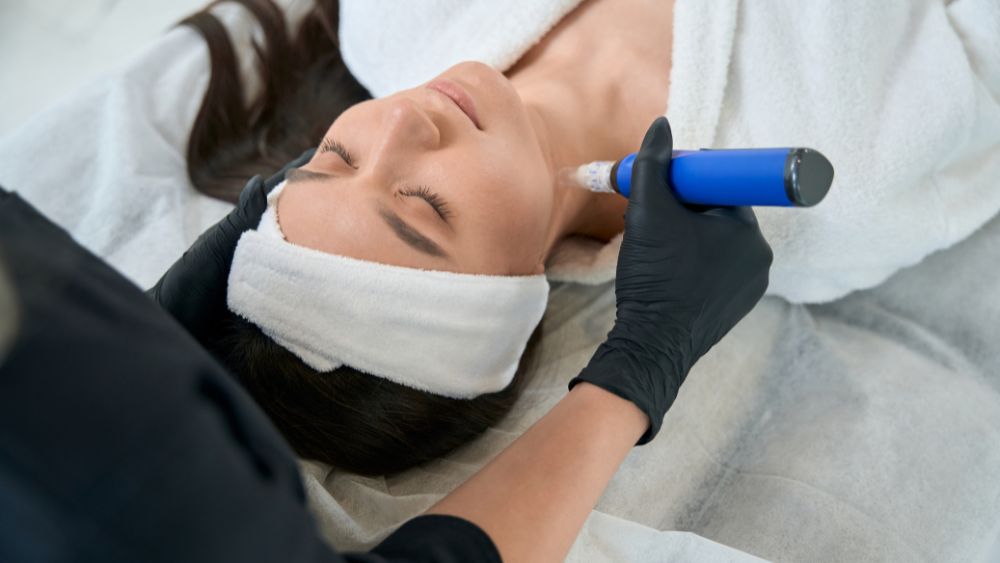
HydraFacial uses a specialized handheld device equipped with spiral tips that create a gentle vortex effect. This technology simultaneously removes impurities while delivering hydrating and antioxidant-rich serums into the skin.
The treatment is completed in three simple steps.
Step 1: Cleanse and Exfoliate
The skin is first cleansed to remove surface impurities and dead skin cells. Gentle exfoliating ingredients, such as glycolic acid and salicylic acid, loosen dirt, oil, and debris without causing excessive irritation.
This process reveals fresher skin and prepares it for deeper cleansing.
Step 2: Painless Extraction
The device then uses vacuum-assisted suction to remove blackheads, excess sebum, and impurities from the pores. Unlike traditional manual extractions, this process is generally comfortable and does not require squeezing.
Step 3: Hydration and Protection
Finally, customized serums containing hydrating ingredients, antioxidants, and peptides are infused into the skin. These ingredients help restore moisture, strengthen the skin barrier, and improve the skin's natural radiance.
A standard HydraFacial session usually takes 30 to 45 minutes. Since it is a non-invasive procedure, most people can return to their daily routine immediately after treatment with little to no downtime.
What Causes Dark Spots on the Face?
Dark spots, also known as hyperpigmentation, occur when certain areas of the skin produce excess melanin the pigment responsible for skin colour. Although many dark spots appear similar, their underlying causes can differ, making an accurate diagnosis important before choosing any treatment.
Sun Damage
Frequent exposure to ultraviolet (UV) rays stimulates melanin production to protect the skin. Over time, excess pigment accumulates and forms flat brown patches known as sunspots or age spots.
Post-Inflammatory Hyperpigmentation (PIH)
After acne, eczema, burns, or other skin injuries heal, the affected area may temporarily produce extra melanin, leaving behind dark marks even after the original condition has resolved.
Melasma
Melasma causes larger patches of pigmentation, typically on the cheeks, forehead, nose, and upper lip. It is commonly associated with hormonal changes and sun exposure and often requires a combination of treatments for effective management.
Ageing and Hormonal Changes
As skin ages, natural cell turnover slows, making existing pigmentation more noticeable. Hormonal fluctuations during pregnancy or while taking certain medications can also stimulate excess melanin production.
Can HydraFacial Remove Dark Spots?
HydraFacial can visibly improve the appearance of mild dark spots by combining gentle exfoliation, deep cleansing, and the infusion of brightening and hydrating serums. Removing dead skin cells allows fresher skin to surface, while antioxidant-rich ingredients help support a brighter and more even complexion.
However, it is important to have realistic expectations. HydraFacial is most effective for superficial pigmentation, such as mild sunspots, uneven skin tone, and recent acne marks. It is less effective for deeper pigmentation disorders like melasma or dermal hyperpigmentation, which often require additional dermatologist-guided treatments.
Many people notice smoother, brighter skin after their first session, but visible improvement in pigmentation usually develops gradually over multiple treatments.
Dermatologist's Perspective
Every pigmentation concern is unique. While HydraFacial is an excellent option for improving skin texture, hydration, and mild discoloration, it is not a one-size-fits-all solution.
A qualified dermatologist will evaluate factors such as your skin type, the cause of your pigmentation, your medical history, and your skincare routine before recommending treatment. In some cases, HydraFacial may be combined with prescription skincare products, chemical peels, microneedling, or laser procedures to achieve better long-term results.
Choosing experienced professionals at reputable Skin Care Clinics in Siliguri ensures that your treatment plan is tailored to your individual skin concerns rather than following a generic approach.
How Does HydraFacial Help Improve Skin Tone?

HydraFacial improves skin tone by supporting the skin's natural renewal process rather than simply covering pigmentation. The treatment combines exfoliation, hydration, and targeted serum infusion to reveal healthier-looking skin over time.
Here's how it works:
- Removes dead skin cells: Gentle exfoliation clears away the outer layer of dull skin, allowing fresher skin to surface.
- Deeply hydrates the skin: Ingredients such as hyaluronic acid replenish moisture, making the skin look smoother and more radiant.
- Delivers antioxidant-rich serums: Customized serums containing antioxidants and peptides help protect the skin from environmental damage while supporting a brighter complexion.
- Improves overall skin texture: By cleansing pores and restoring hydration, HydraFacial leaves the skin looking healthier and more even.
Although the treatment can brighten the skin after a single session, consistent treatments combined with a good skincare routine deliver the best long-term results.
Which Types of Dark Spots Respond Best?
HydraFacial is most effective for pigmentation that affects the upper layers of the skin.
It works well for:
- Mild sunspots
- Recent acne marks (post-inflammatory hyperpigmentation)
- Uneven skin tone
- Early age spots
- Dull, tired-looking skin
However, deeper pigmentation such as melasma or long-standing dark patches usually requires a personalized treatment plan. A dermatologist may recommend combining HydraFacial with prescription creams, chemical peels, microneedling, or laser treatments to achieve better results.
How Many HydraFacial Sessions May Be Needed?
While many people notice brighter, smoother skin after their first treatment, reducing visible pigmentation usually requires multiple sessions.
General recommendations include:
| Skin Concern | Recommended Sessions |
|---|---|
| Mild pigmentation | 3–4 sessions |
| Uneven skin tone | 3–5 sessions |
| Acne marks (PIH) | 4–6 sessions |
Treatments are usually scheduled every 2 to 4 weeks, followed by maintenance sessions every 4 to 6 weeks based on your skin's needs.
Your dermatologist will recommend a treatment schedule after assessing your skin type and pigmentation.
HydraFacial vs Other Treatments for Dark Spots
Different pigmentation concerns require different treatment approaches. The table below compares HydraFacial with other commonly recommended procedures.
| Treatment | Best For | Downtime | Approximate Cost* |
| HydraFacial | Mild pigmentation, dull skin, enlarged pores | None | ₹4,500–₹10,000 |
| Chemical Peels | Melasma, acne pigmentation, age spots | 3–7 days | ₹2,000–₹8,000 |
| Laser Toning / Pico Laser | Deep pigmentation and stubborn dark spots | Minimal | ₹4,000–₹15,000 |
| IPL (Photofacial) | Sunspots and freckles | Mild redness | ₹3,500–₹12,000 |
*Costs are approximate and may vary depending on the clinic, technology used, and your treatment plan.
Also Read:-
Is HydraFacial Safe for Sensitive Skin?
Frequently Asked Questions
1) Is HydraFacial painful?
No. HydraFacial is generally painless and is often described as a relaxing treatment with gentle suction on the skin.
2) Is there any downtime?
Very little. Most people return to their normal activities immediately after treatment. Mild redness, if it occurs, usually fades within a few hours.
3) Can HydraFacial permanently remove dark spots?
No. HydraFacial helps improve the appearance of superficial pigmentation, but it does not permanently remove all dark spots. Long-term results depend on the cause of pigmentation, sun protection, skincare, and regular maintenance treatments.
4) Is HydraFacial suitable for all skin types?
HydraFacial is generally suitable for most skin types, including many people with sensitive skin. However, a professional skin assessment is recommended to determine the most appropriate treatment for your concerns.
5) Can HydraFacial be combined with other treatments?
Yes. Dermatologists often combine HydraFacial with prescription skincare, chemical peels, microneedling, or laser treatments when treating stubborn pigmentation or melasma.
Conclusion
HydraFacial is a safe and effective non-invasive treatment that improves skin hydration, texture, and overall radiance while helping reduce the appearance of mild dark spots and uneven skin tone. It is particularly beneficial for superficial pigmentation caused by sun exposure or recent acne marks. However, deeper pigmentation may require a combination of dermatologist-recommended treatments for the best results.
If you are considering a HydraFacial Treatment in Siliguri, choosing experienced skincare professionals is the first step toward healthier skin. At Symmetrica, every treatment begins with a personalized skin assessment to understand your skin type, identify the cause of pigmentation, and recommend the most suitable treatment plan.
Whether you're looking to brighten dull skin, improve skin texture, or address mild pigmentation, our team is committed to providing safe, customized care using advanced skincare technologies.
Book your consultation at Symmetrica today and take the first step toward clearer, healthier, and naturally radiant skin.
Medical Disclaimer
This article is intended for educational purposes only and should not be considered medical advice. Skin conditions and pigmentation concerns vary from person to person. Always consult a qualified dermatologist or skincare professional for an accurate diagnosis and personalized treatment recommendations before undergoing any cosmetic skin treatment.

